


Which approach should we prioritize: producing numerous articles and guaranteeing exhaustive information to our readers on as many topics as possible, or reducing output to devote greater resources to editorial quality? If you know us at all, the answer is in the question. A few format ideas for telling a story around your stories by leveraging your journalistic and editorial strengths.
Create appointments
To engage audiences around an editorial theme, there's nothing better than offering "regular appointment" formats. It's also a good way to give visibility to important topics by letting them occupy space outside the typical news flow. Personalized recommendations, tips and tricks, and other useful content can turn them into moments readers look forward to. This is the strategy used by the Nice-Matin group for its six hyperlocal newsletters. Here, news is covered in a brief three-item summary at the beginning of the newsletter; the rest focuses on service information, such as the week's events and tips and tricks. The goal? Encourage subscribers to these free newsletters to purchase a digital or print subscription to the newspaper.
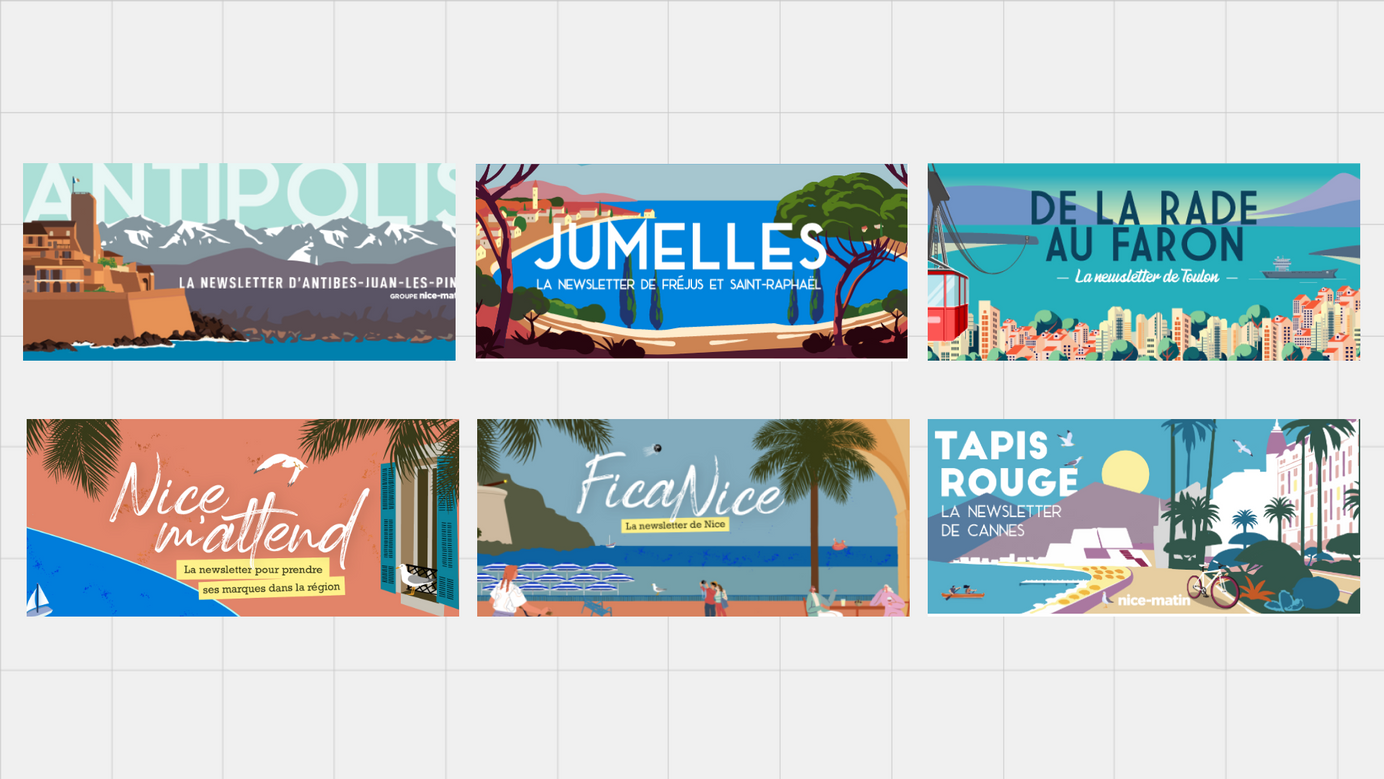
To learn more: read our interview with Olivier Marino, deputy editor-in-chief and head of editorial strategy for the regional press group Nice-Matin.
Browse the news
When news stories unfold over several days, it's easy to label them as media serials. If that's the case, why not approach certain topics as series? By investing in the architecture of its content, news can be covered over a longer timeframe. This is the strategy of the online media outlet Les Jours, which serializes its news coverage through a format of editorial series on specific topics. With its "obsessions," Les Jours allows its readers to follow information more easily… and makes it more compelling. This approach transforms raw facts into an immersive experience, building reader loyalty.
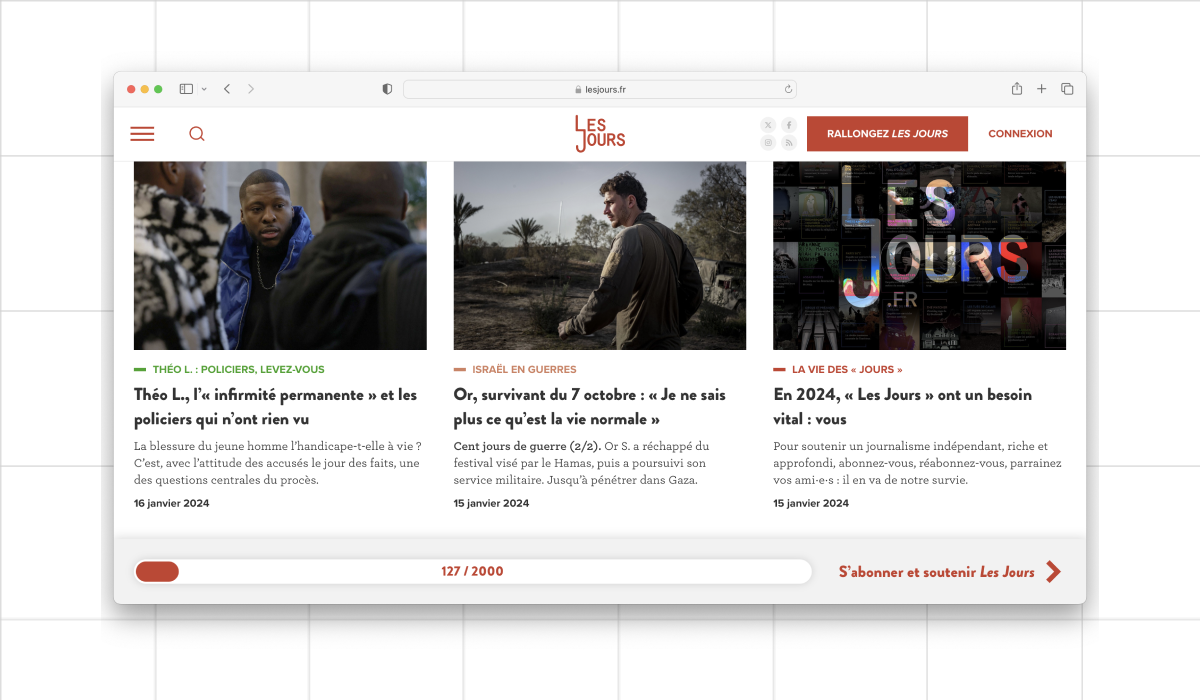
Going further: in addition to producing excellent books, non-fiction narratives make it possible to challenge publishing norms. A great source of diversification ideas. In fact, several investigations by Jours have been adapted into books as part of a partnership with Seuil editions.
Make your community a topic
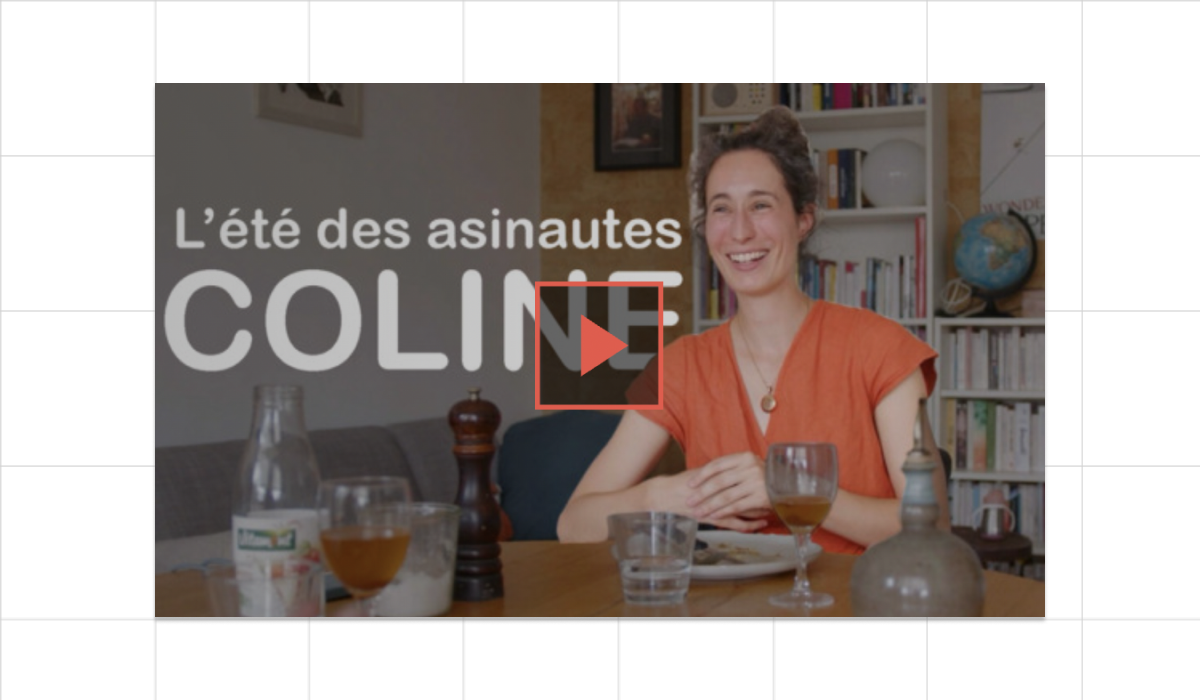
In summer 2023, the team from media criticism website Arrêt sur images embarked on a tour across France to engage with its audience about their relationship with the media. Dubbed "The Summer of Asinautes", the initiative sought to get closer to subscribers by visiting them directly at home. At each stop, Louison Gasnier, video journalist at Arrêt sur images, conducted a video interview with a person selected beforehand through a short online questionnaire. While Q&A sessions remain an effective way to engage with subscribers, meeting them in person allows us to go further and create a truly personalized experience, where the power dynamic between the audience and the editorial team is more balanced. For once, it falls to the audience to choose the topic they want the media to cover. It's also a good way for journalists to introduce themselves to the public and embody the media.
Going further: fully involving the public in the editorial process was long seen as an incongruity by journalists. But when media outlets HugoDécrypte, WTFake and Tortoise give the public a place in their newsroom, it enables the creation of exciting editorial formats.
Making the most of your archives
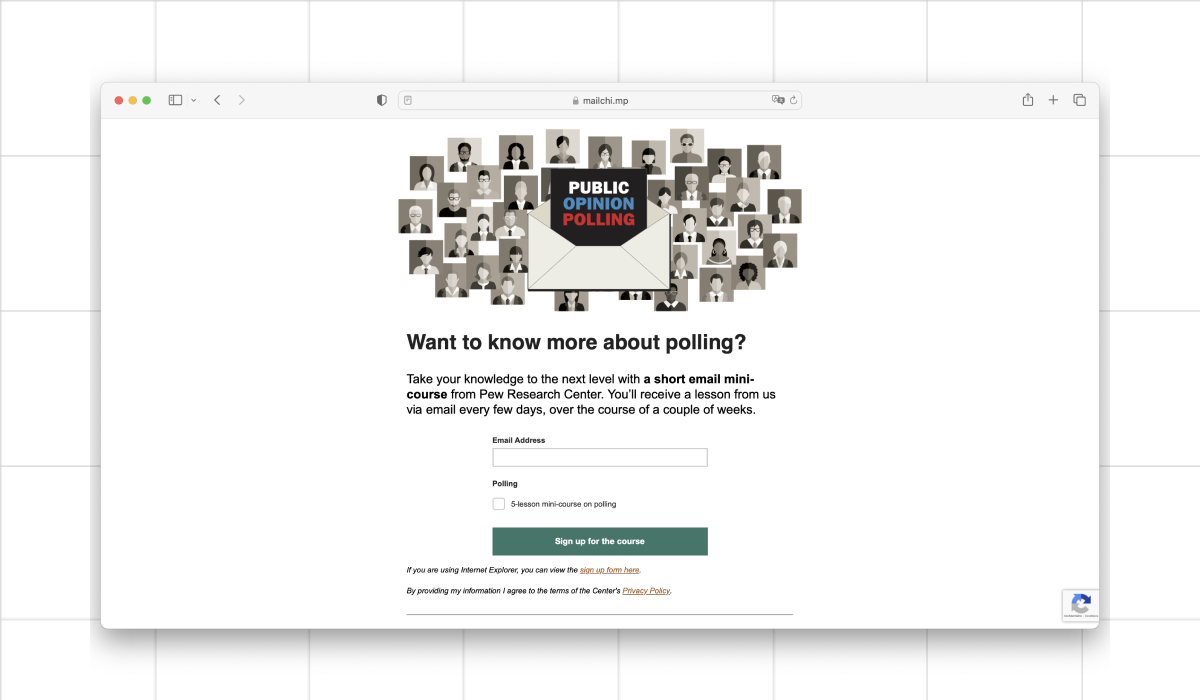
A subject's life doesn't necessarily end once the article is published. To promote its archives, the Pew Research Center has set up a system of mini-courses via email. Want to learn more about the polling system in the United States? To dive into the latest U.S. census data? You can sign up for free to receive five lessons drawn from articles published in the past on the site, delivered straight to your inbox. A great way to make your content more accessible to your audience while giving them an incentive to reach a goal. Since these newsletters have an end date, they don't permanently clutter your readers' inboxes and reduce the risk of information overload.
To go further: media outlets like La Disparition, Rembobine, or Retronews offer ways to analyze current events through the lens of the past using archives, reports, and historical context. Click here for more inspiration.
Question your priorities
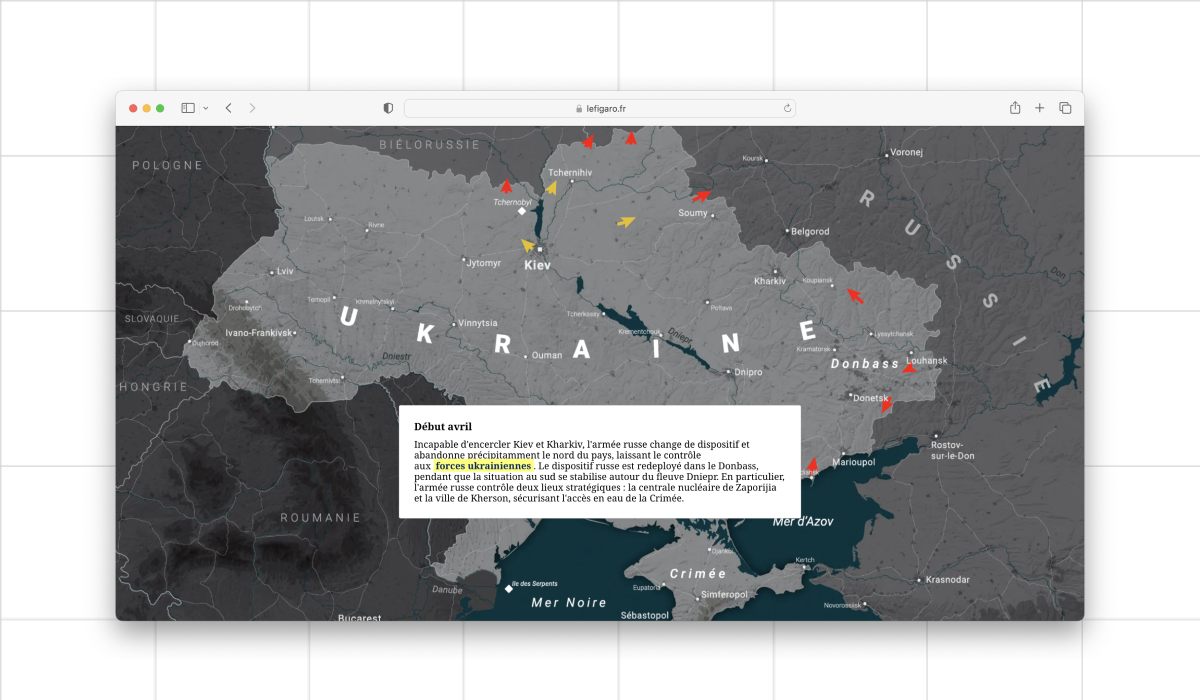
When the war in Ukraine began, Le Figaro decided to bolster its Graphics department by hiring a second cartographer. Their strategy at the time? Update a map three times a day, seven days a week, to show Russian troop movements in real time. After three months of conflict, the department chose to stop the live updates in order to focus on maps showing troop movements inspecific locations, as well aslarge-format piecesrecapping the timeline of major events in this conflict. And these formats attract readers: the newspaper notes thatevery article containing the keyword "cartography" is an audience success.
Going further: which formats and approaches should be prioritized to cover news in wartime? Education, behind-the-scenes, data visualization… our overview of best practices.
Explain the editorial processes
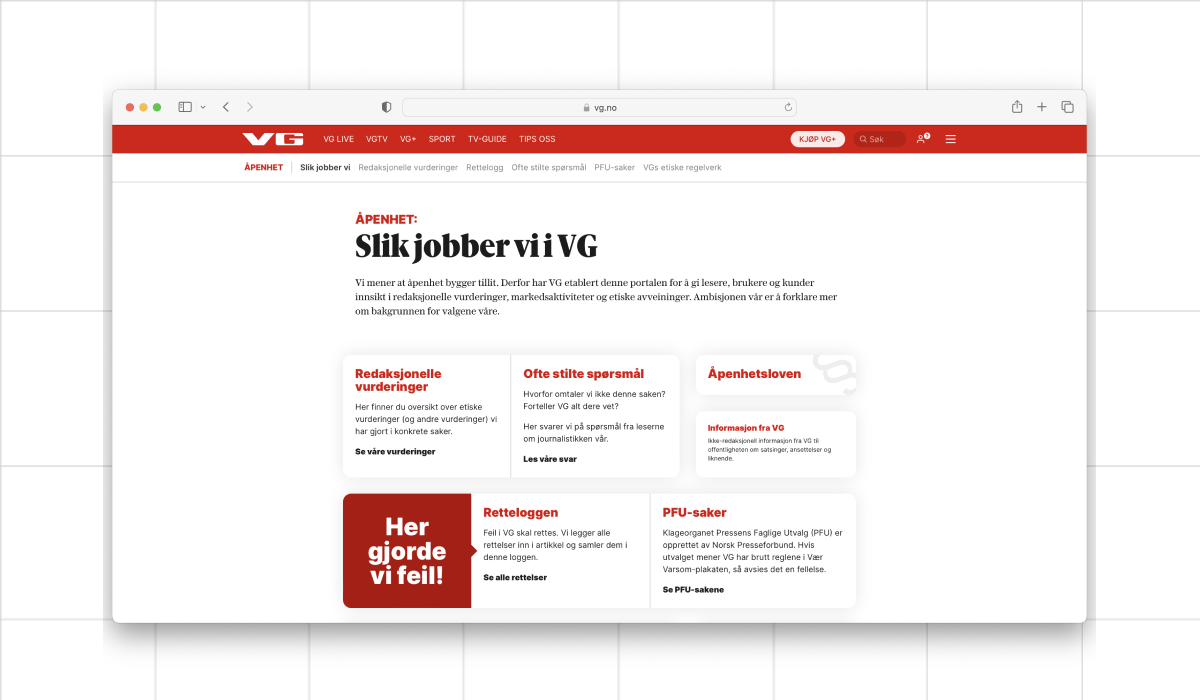
How was this story produced? Why was this source anonymized? What are the latest changes in the newspaper's editorial policy? In Norway, the newspaper Verdens Gang, part of the Schibsted group, has launched a transparency portal: a section that explains the newspaper's internal discussions on the various topics it covers. This page includes a frequently asked questions section, a blog dedicated to articles, a register of complaints related to the Norwegian press ethics code, and a list of Verdens Gang's various press releases. On this portal, the newspaper explains all the decisions it has made, even for less important articles. The initiative has received very positive reactions from readers. Beyond the marketing engagement, this type of initiative also helps strengthen the relationship of trust between media and readers.
Going further: how can you make transparency an asset in your business model? Valentin Levetti, co-founder of the YouTube and Twitch channels Stupid Economics, answers our questions in this episode of our Chemins podcast.
Structure your content
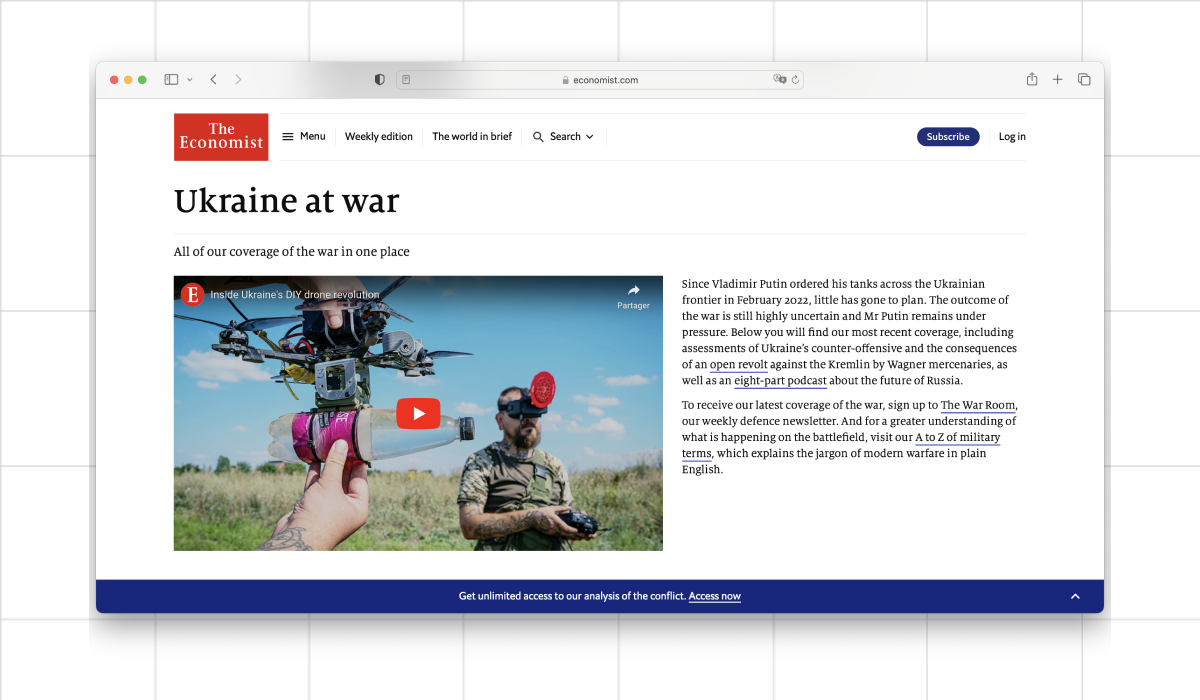
By further categorizing and organizing content, The Economist offers a more refined architecture of its content, allowing its audience to follow the news through curated thematic pages. For its coverage of the war in Ukraine, the publication brings together all of its content on a single page, available through chronological reading or thematic lenses: military operations, daily life in Ukraine, the economic consequences of the conflict, video content, and more.
To go further: more examples of media outlets that successfully structure their content on in-depth topics to integrate them over the long term on Hypernews, the blog exploring digital news by consultant Maxime Loisel.
Put information in context
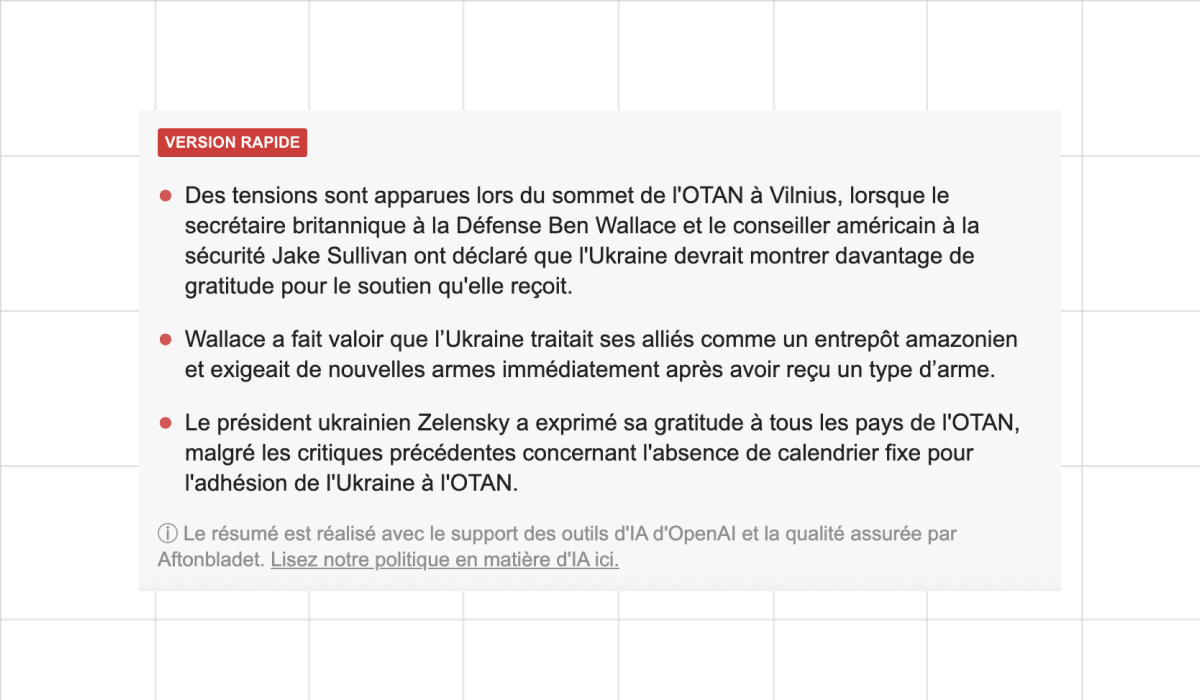
Definitions, stakeholders, key figures, maps and timelines: by contextualizing information and providing resources that can be used at any time, readers are never lost. A box summarizing essential information at the start of an article is also a good way to inform readers who don't always have time to read a full piece. In Sweden, the news daily Aftonbladet uses artificial intelligence to create short summaries for its long articles. The publication notes that readers spend more time on articles that have a summary than those that don't. And these summaries are particularly popular with the publication's younger audience.
Going further: the democratization of artificial intelligence, through the use of tools like ChatGPT, has prompted the press to respond. How can newsrooms adopt this new set of tools without compromising information quality? Formats, approaches, debates, tools: an overview of current uses.
Use the recommendation
On Instagram, the Italian media outlet Will, which specializes in environmental and social issues, has set up a distribution channel where several journalists share their cultural recommendations twice a week. These correspond to the works that journalists draw from to research their various pieces: documentaries, books, films, and more. The channel now has more than 31,000 members — Will has 1.6 million followers on Instagram — and presents this format as a bonus for people who want to dive deeper into a topic covered by the media. It's also a good way to get closer to its audience.
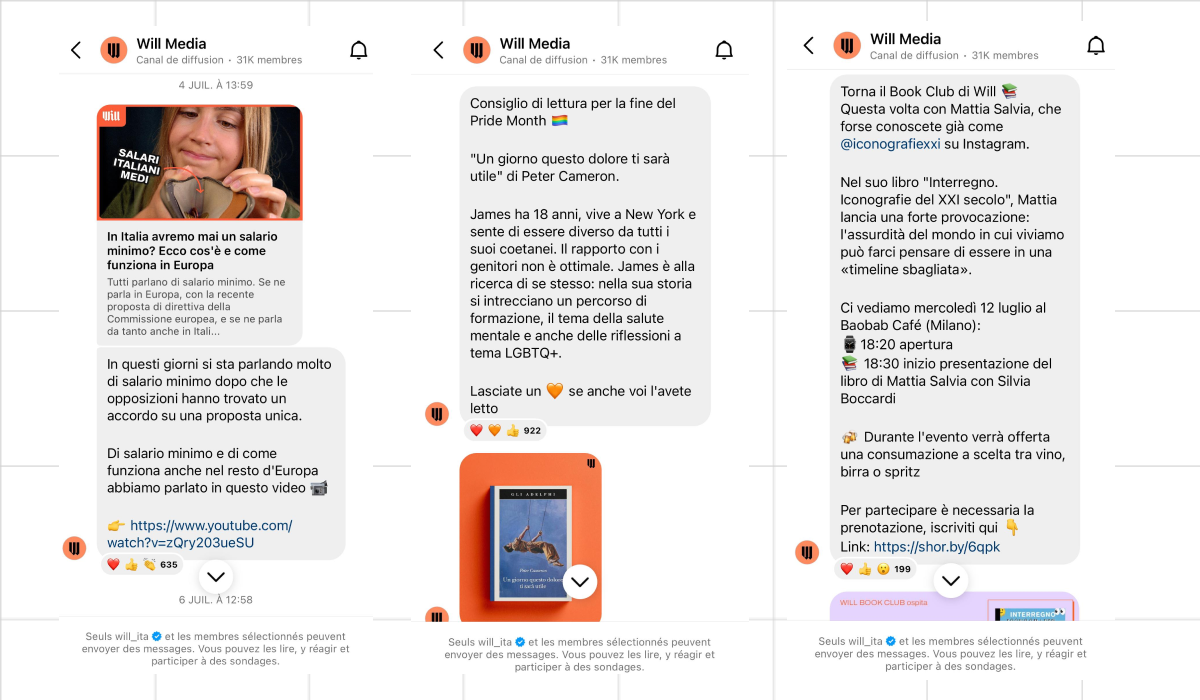
Go further: whether they're featured in an Instagram post or form the value proposition of your media, recommendations can help you retain audiences who share your sensibility and acquire new ones through social networks. A few examples.


