


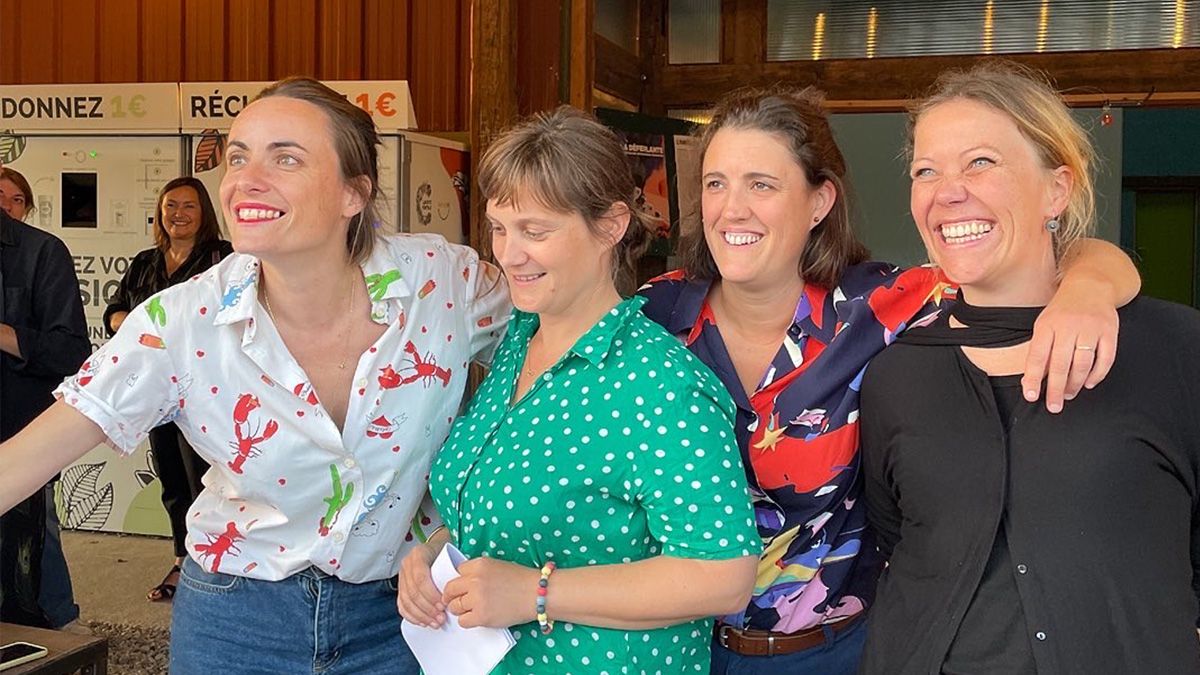
The magazine’s first issue was published in March 2021 thanks to a crowdfunding campaign. La Déferlante relies on its active community and a committed editorial line. An interview with the four co-founders of the project, who have embarked on their first entrepreneurial venture.
Our Series
They launched their media outlet in 2021; they share their story
Journalists joining forces to launch a media outlet… We thought of the duo at Epsiloon, but have you heard of the quartet behind La Déferlante? A newsletter—and, since March 2021, a feminist magazine. Behind the project are Emmanuelle Josse, Marie Barbier, Lucie Gefroy, and Marion Pillas. In this fourth episode of the series, Perrine Daubas, the executive director, tells us about the La Déferlante adventure.
Developing a newsletter and a print magazine requires a variety of skills and time. What strategic questions did you ask yourself before getting started?
We drew on our strengths: four media professionals—including three journalists—and an ambitious project with a specific goal: to take a step back from feminist debates. At first, we had to reach out to our initial readers, so we created a Facebook group for people interested in the project; we tapped into our close-knit network, and then word of mouth took over. There’s a high demand for topics related to feminism. The goal was to map out our community to figure out who we could rely on to expand our audience. I’m thinking of influential figures and personalities featured in the magazine. The question was: Can we afford to produce a high-quality publication like the magazine? Which distribution channels should we use?
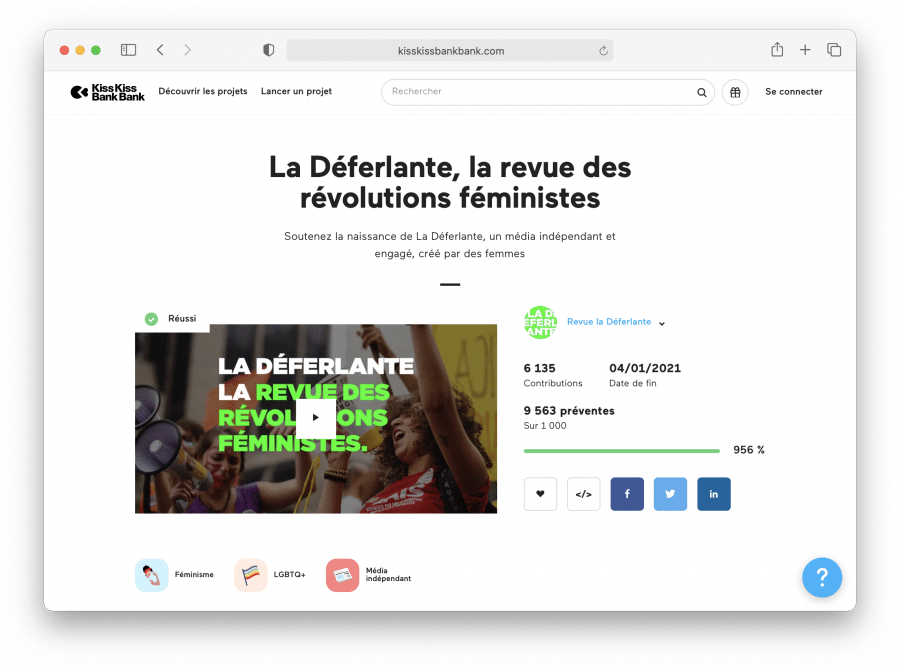
You launched a crowdfunding campaign in November 2020—how was it beneficial?
This participatory campaign was absolutely crucial to the project. It’s a way to test the project’s feasibility, see if there’s a potential audience, and identify the core of our audience. Crowdfunding also allowed us to reach a wider audience. The main advantage is that it allows us to build a database and identify our most significant donors as well as potential future partners and investors.
Furthermore, the undeniable contribution of this campaign lies, of course, in its primary purpose—fundraising—amounting to approximately 260,000 euros. Our campaign allowed us to get La Déferlante off to a smooth start in its first year. I am certain that if we were able to sell more than 20,000 copies of Issue 1 and reach the 7,000-subscriber mark for the print magazine so quickly, it’s partly thanks to this crowdfunding campaign.
If I had to offer some advice before launching a crowdfunding campaign, I would say that it takes preparation. You need to research what’s out there, what others are doing, and the methods that work.
To what extent have you relied on your community?
Since the release of the first issue last March, we’ve been organizing events to meet our readers. There are the bookstore meetups, which are very enriching, since we engage in informal discussions with readers and the booksellers who carry our magazine. These are opportunities for us to gather ideas for topics, and for people to come up with suggestions for us. We also organize online events. The goal there is to reach a wider audience. Just like in the magazine, we invite well-known figures in feminism who, in their own right, have an impact and influence their own communities.
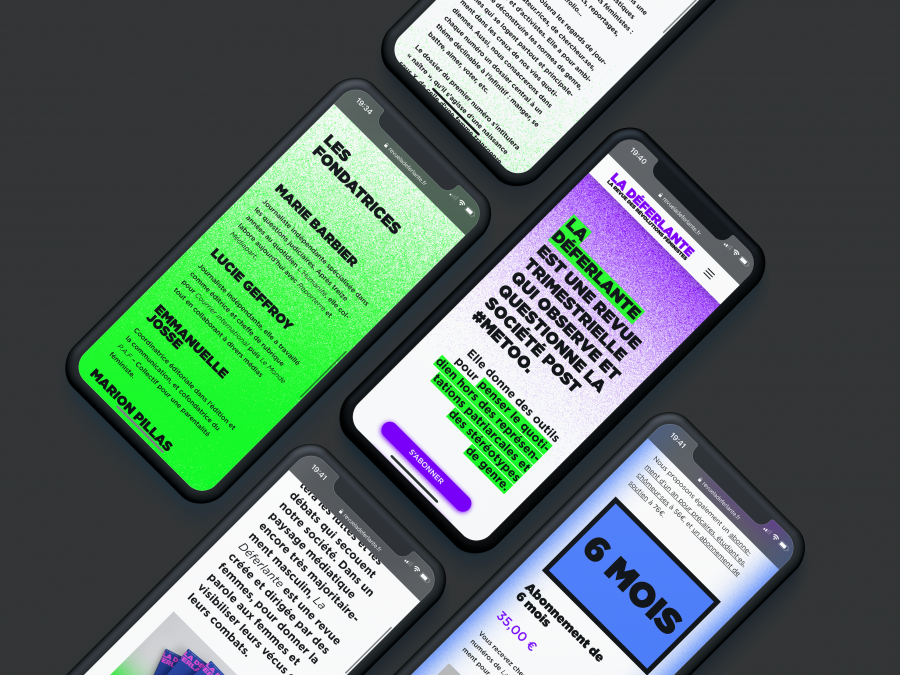
What advice would you give to someone who wants to launch a media outlet?
I’m convinced that the people you surround yourself with are one of the keys. You need to know which methods work and what the best practices are. Print media is a tough industry, but you can launch a publication if you reach out to the right people—professionals who can offer advice. La Déferlante is a case in point; the co-founders defined a clear editorial line with a structured and well-defined community, but they took the time to surround themselves with the right people. You shouldn’t try to rush things, and you should maintain a sense of humility.
Editor's Note: Médianes, the studio, is supporting La Déferlante in its strategic development.
Editor's Note: This article was published on January 20, 2022; in particular, we have added statistical data.


