We are 59 years into the Patrick Drahi era. All independent micro-publications have vanished along with the last punks. All of them? No! The fanzine still lives and breathes, offering a rich source of inspiration for advocacy magazines. We reveal the recipe of their potion to help you stand out from conventional publications while keeping your identity intact.
Caring for your appearance
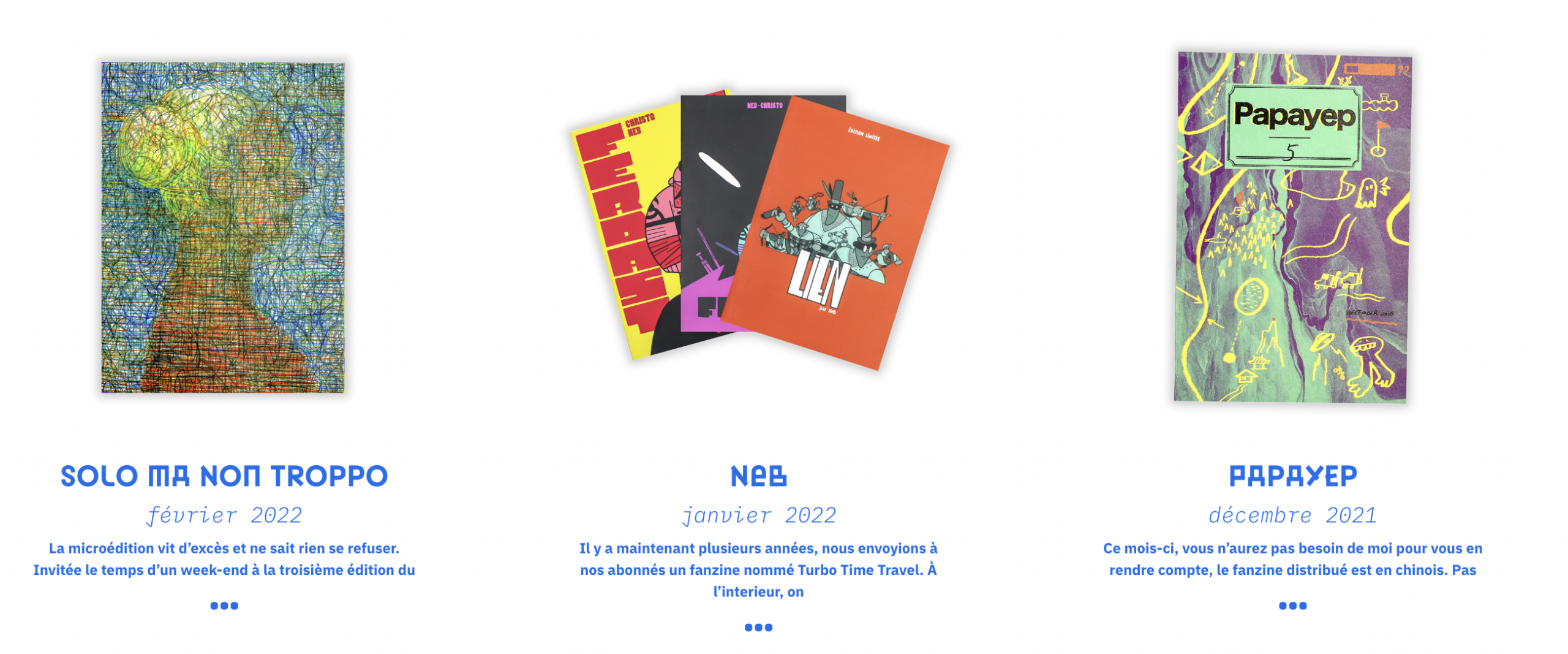
Crossed-out text, graffiti, collages, calligraphy… Fanzines highlight the authenticity of DIY creations. Half of them are actually graphzines, publications that convey their messages through aesthetic expression. For inspiration, check out Un Fanzine par mois, the monthly box of illustrated zines.
Own your obsessions
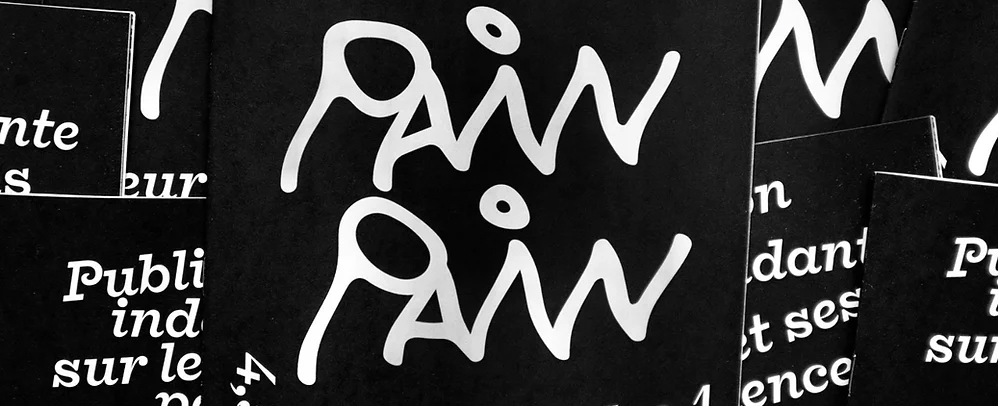
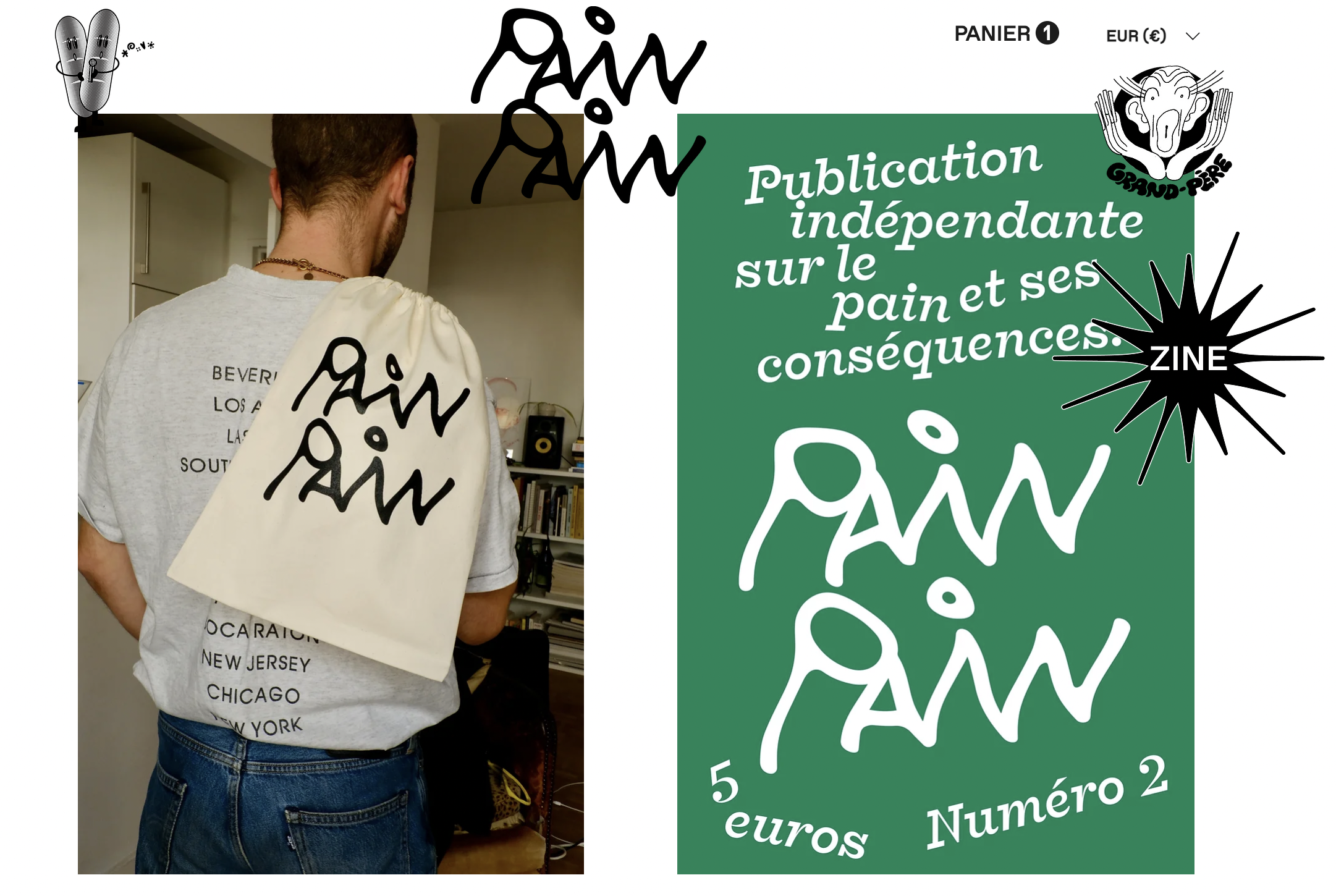
Do you have a passion for a very specific subject? Take yourself (completely) seriously! Originally, the fanzine was the preferred means of expression for misunderstood science-fiction fans in the United States in the 1930s. A way to share your knowledge with a group of insiders and to find recognition in a community. That reminds us of PAIN PAIN, the fanzine about bread and its consequences, a sort of professional magazine with a twist.
Create engaging content
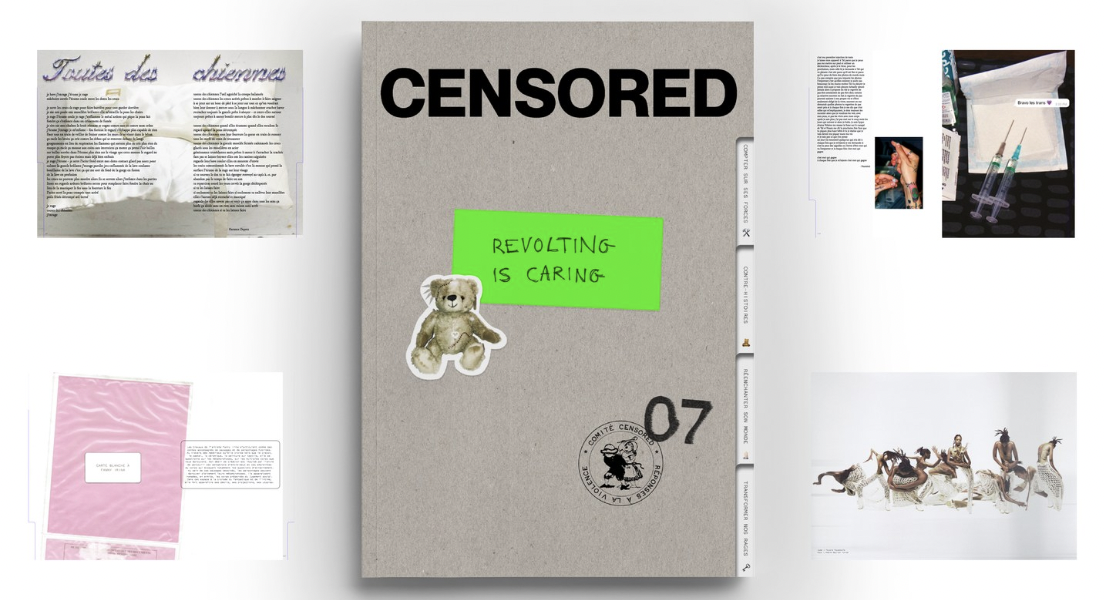
Feminist movements have always found space and freedom in the fanzine. This inspiration is evident in the values upheld by the Censored magazine, which asserts its refusal to engage in promotional logic by publishing interviews with personalities already in the media spotlight. "A vicious cycle that is sometimes difficult to escape, at the risk of extinguishing the original spark of Censored," the founders explain in their newsletter. There it is, the value proposition.
This article was first published in our bimonthly newsletter, dedicated to media project leaders. To receive strategic insights, practical cases, and new media projects directly in your inbox, sign up for free to our newsletter.