


Set up a clear strategy
Newsletters are not a gadget or marketing tool—treat them as a full-fledged editorial product. If possible, and if your resources allow, set up a dedicated team or assign a single point person to manage the newsletter and track its performance. Beyond writing, they can monitor the data collected to explore other development opportunities: topics to cover, newsletters to launch, and so on.
Set clear goals for your newsletters. Are you looking to attract new readers or do you want to convert your current readers into subscribers? Depending on publication frequency and topics covered, these goals may vary.
Take time to convert its readers into subscribers
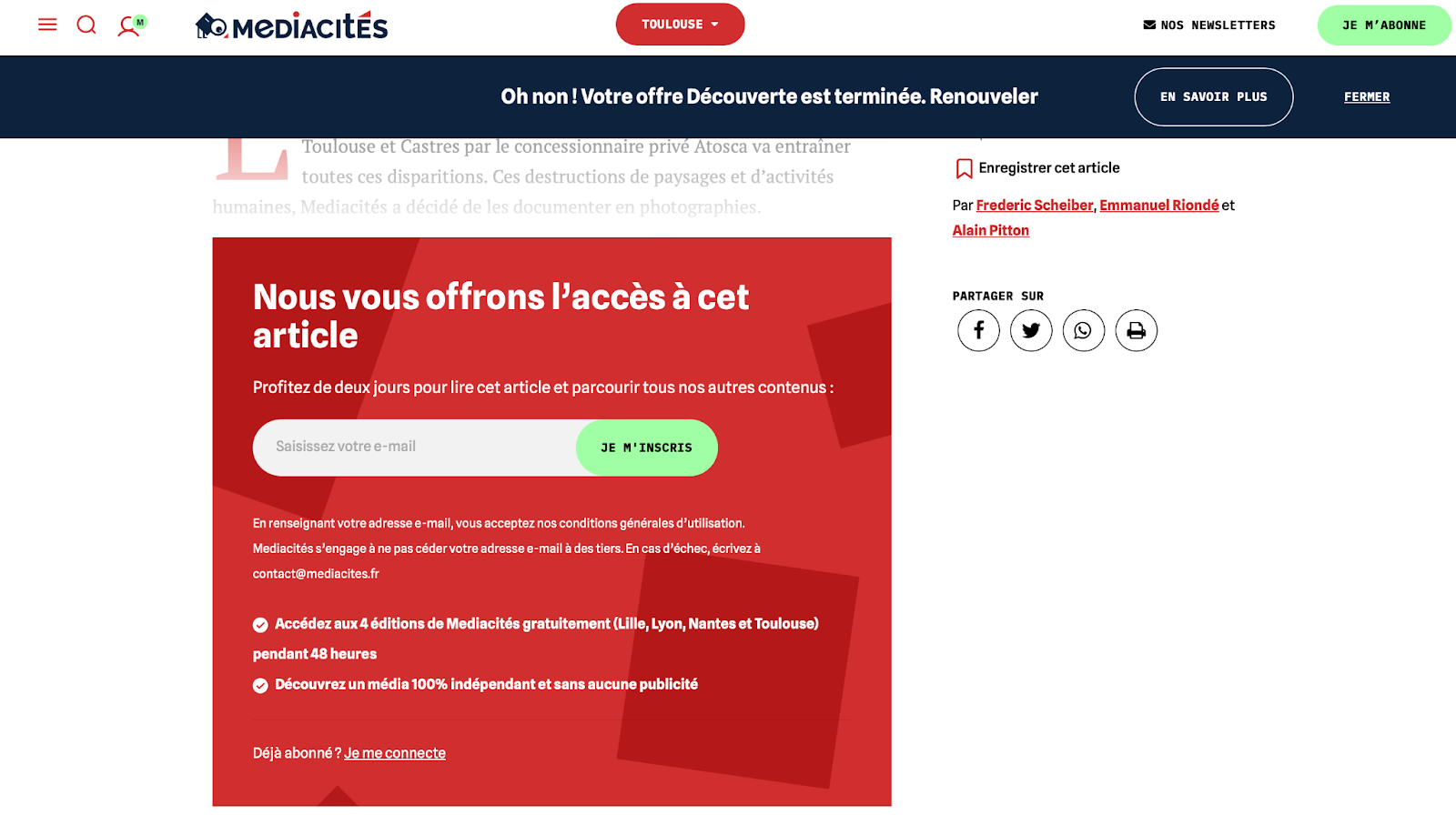
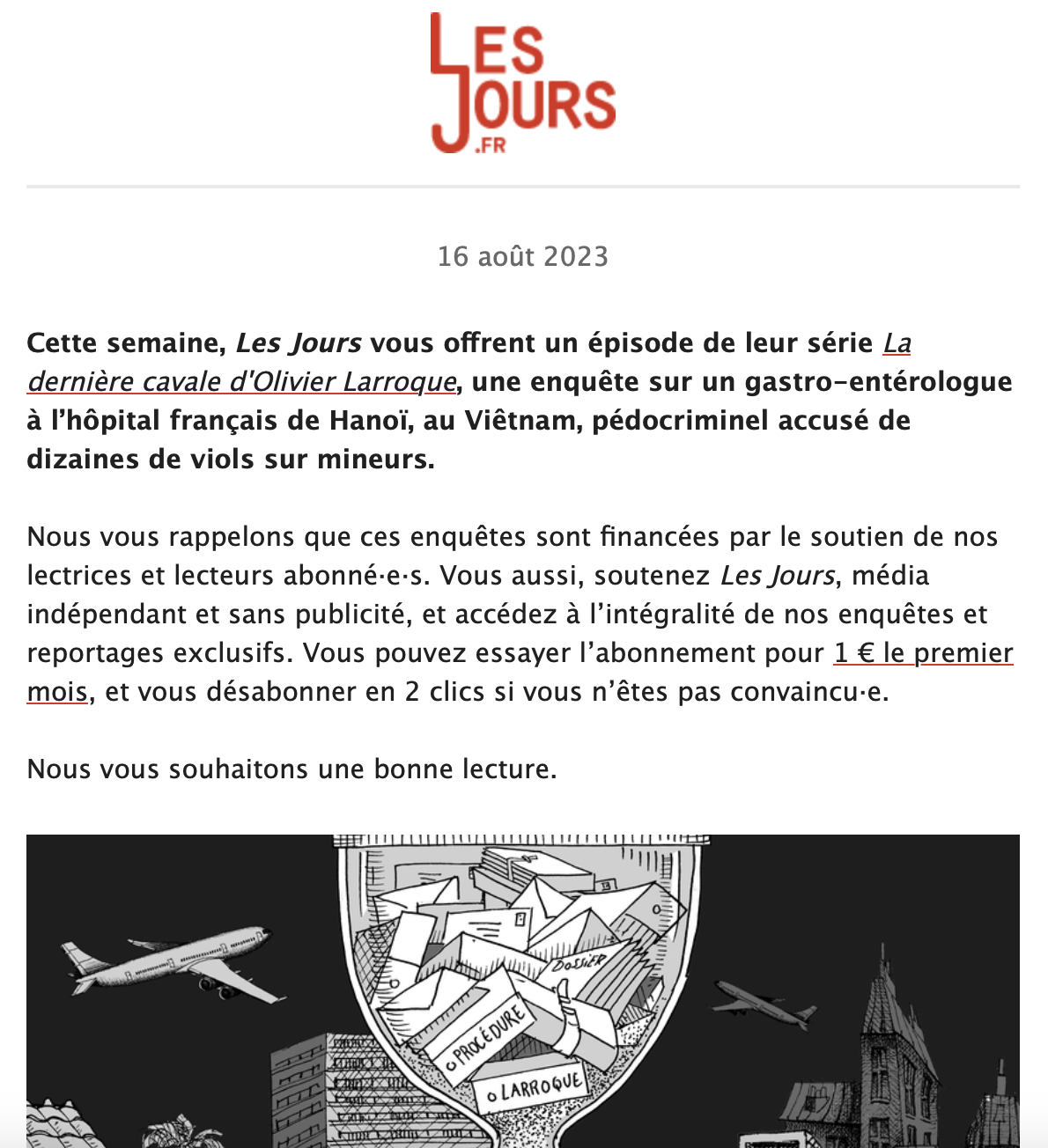
There's no need to rush. While your readers are interested in your work, convincing them to support you financially is far from guaranteed. A long-term conversation, taking time to present your work and build trust, is recommended. To do this, the newsletter is a tool to prioritize as part of your soft conversion strategy. You could, for example, experiment with setting up a
Develop different newsletters based on your readers' interests
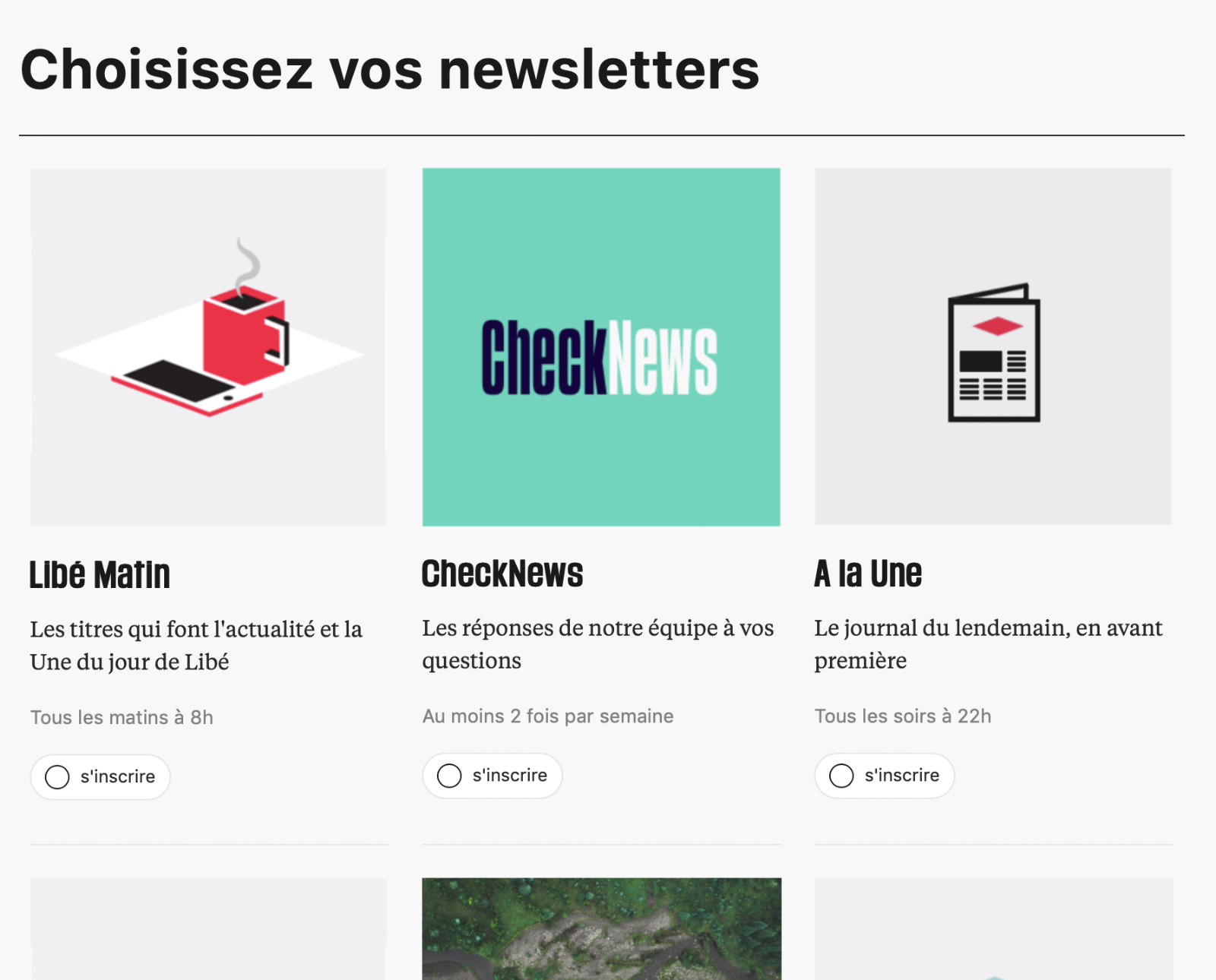
This task can be made easier by launching an initial free newsletter aimed at a broad audience. If you're a news outlet, for example, set up a newsletter that summarizes the day's information. From this database, you'll be able to observe trends and identify areas of interest that will help you develop new verticals to offer your readers.
Considering the different topics and themes preferred by your readers at each stage of the subscription process can also prove useful. For example, you can implement personalized paywalls that adapt to your reader's interests.
Tell (all) your behind-the-scenes stories
On the Courier Newsroom side in the United States, one of the editors tried a more original exercise: telling the story of their search for housing. Over the weeks, the editorial team noticed very strong engagement from its community for this type of content.
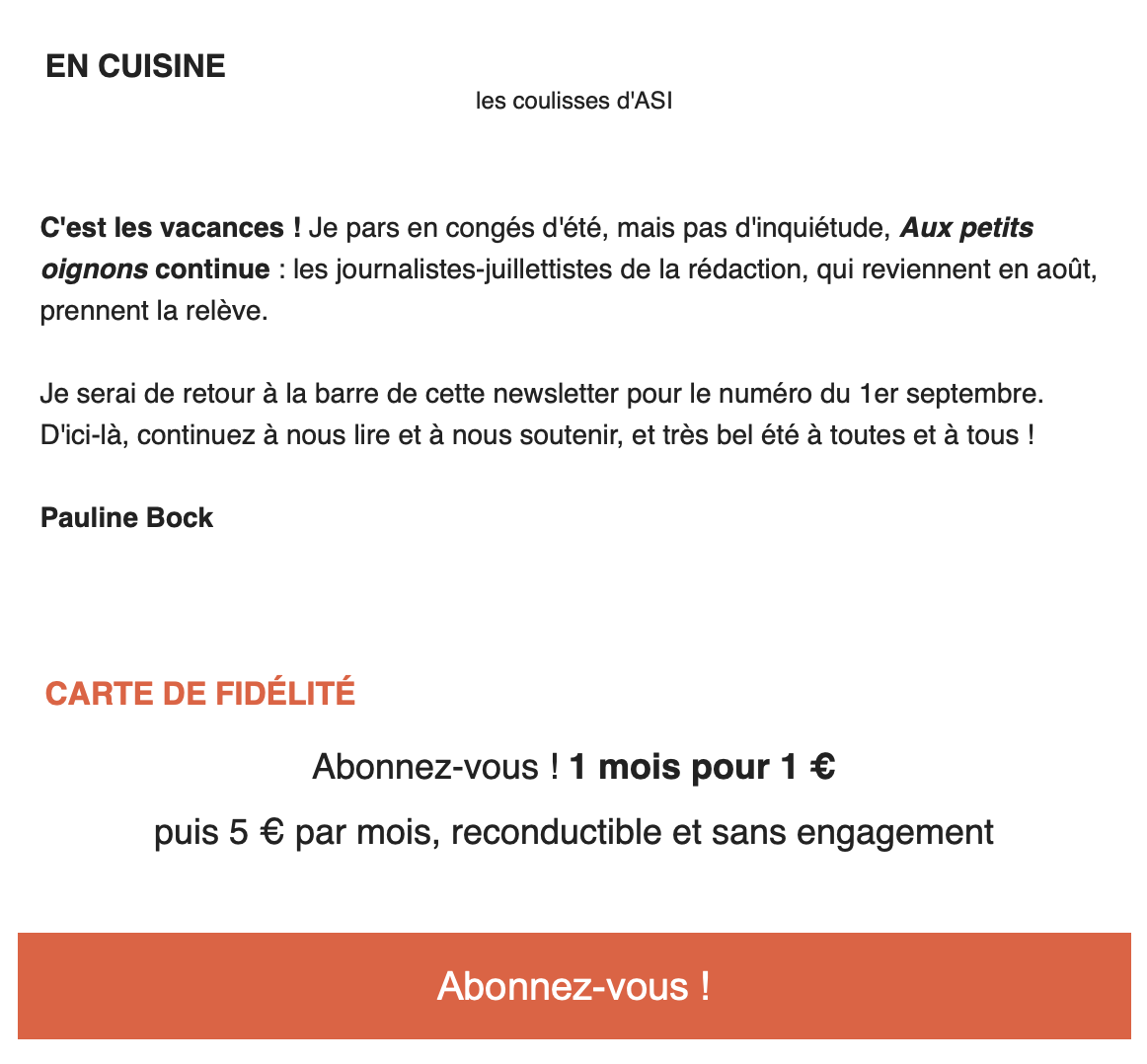
Nevertheless, sharing personal aspects of your life is far from obvious, regardless of your audience size. Instead, you can tell the behind-the-scenes story of your media: your editorial choices, your latest hires, etc. In addition to opening a dialogue with your readers, revealing how news is made is also a good way to strengthen the trust between your newsroom and your audience, as Alice Antheaume, co-author of the Digital News Report 2023, recalled in an interview with Médianes.
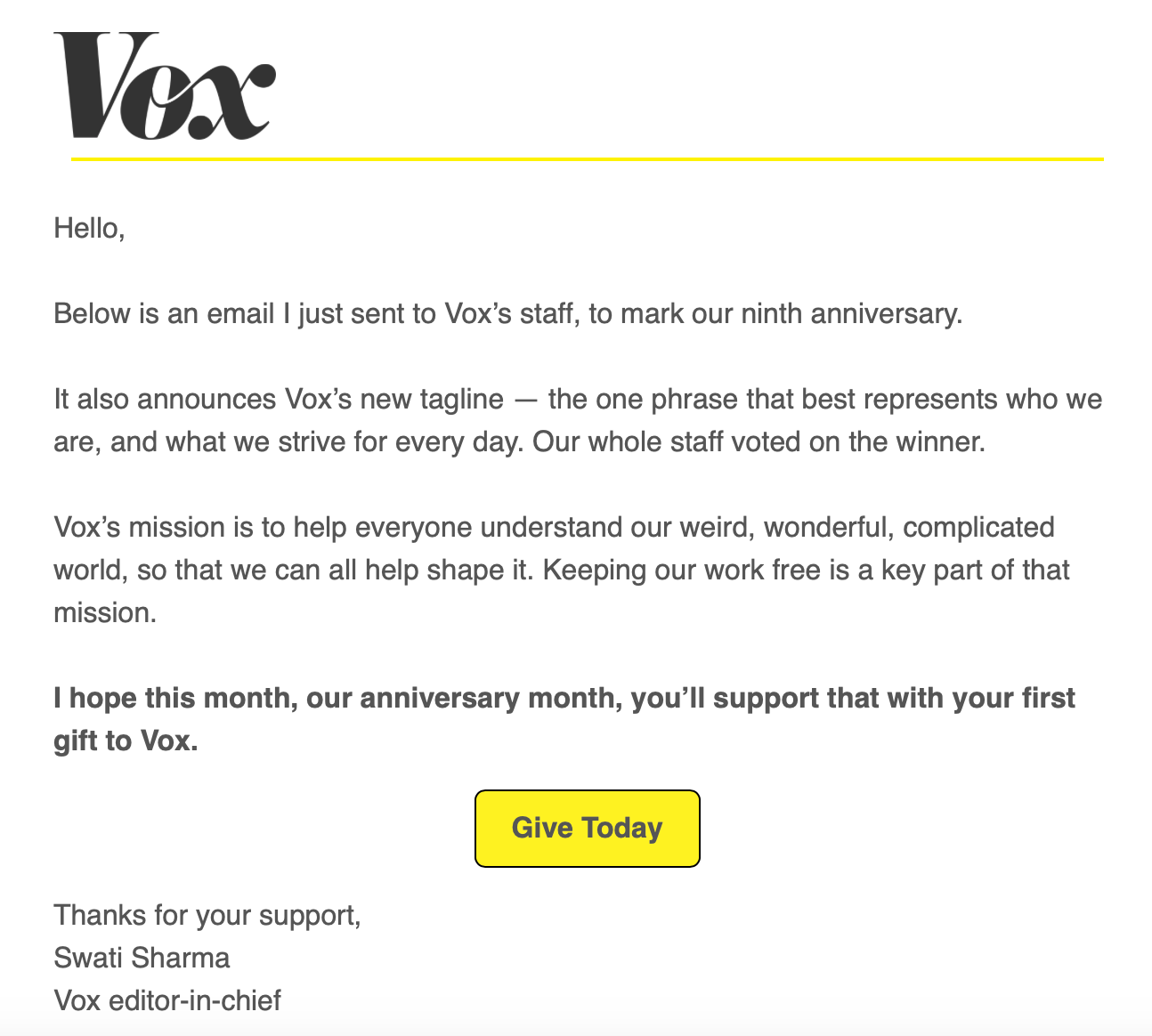
Try it out
There is no perfect formula. The requirements and expectations of an audience vary from one media to another. Don't hesitate to experiment, whether through implementing an A/B testing system (by dividing your email list into two groups) or by temporarily adding a section to your newsletter.
The Politifax editorial team, for example, added a "Behind-the-Scenes" section for a few weeks to evaluate reader interest in this type of content.
You don't need to make highly sophisticated changes to your offer. Sometimes just a few minor tweaks, such as rewording a sentence or changing the headings, can deliver very different results.
To go further
- Targets, positioning, value proposition, business model… to lay the foundation for a new editorial product, consult our practical guides.
- 52 tips to grow your newsletter audience: a comprehensive toolkit and set of recommendations from Inbox Collective, translated into French by us.
- Business model, strategy, best practices: discover our series dedicated to independent newsletter founders with Léry Jicquel, founder of Concentré Vélo, Jean Abbiateci, from the newsletter media Bulletin, Léa Lejeune, founder of the feminist newsletter Plan Cash and that of François de Monès, co-founder of the epistolary and political media La Disparition.
Editor's Note: Médianes, the studio, has been supporting the Arrêt sur images team with its marketing development since 2022, and collaborated with Les Jours on marketing matters in 2022.


