


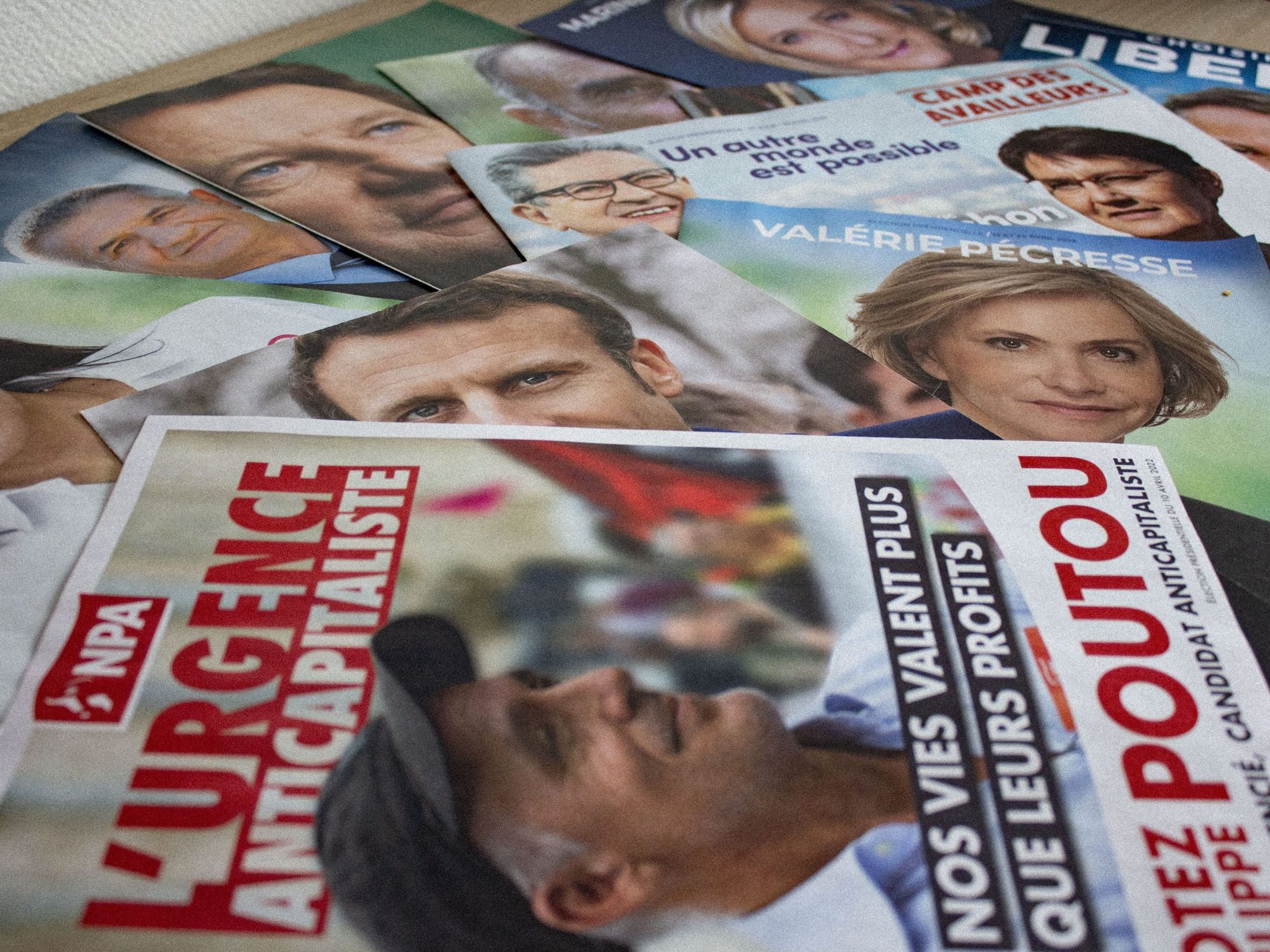
Not all twelve candidates approach the media sector in the same way. From a full page to just a few lines without any specific proposals, the media nonetheless remains a campaign issue. Here’s a brief overview of the candidates’ platforms.
The classification is that of the Constitutional Council.
Nathalie Arthaud
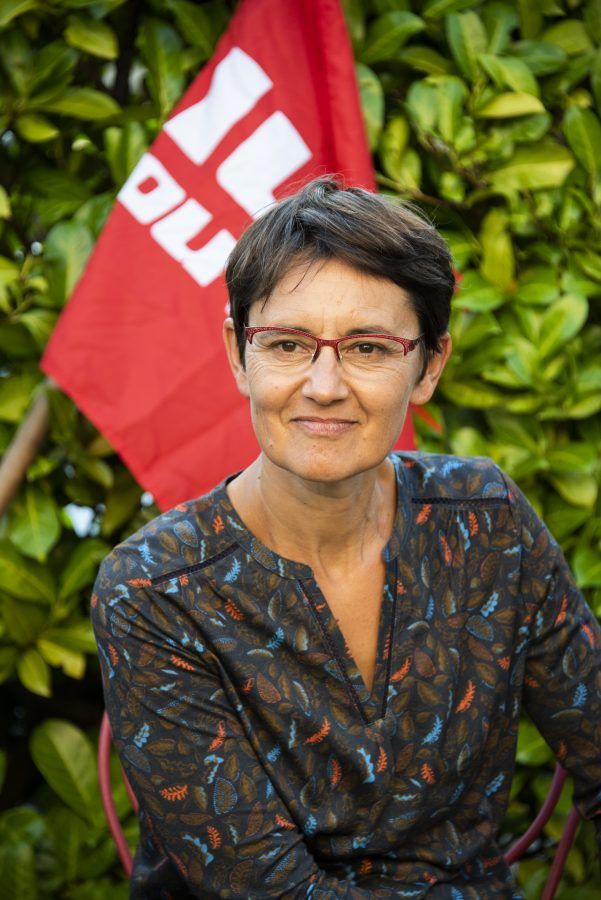
Workers’ Struggle candidate. There is nothing in her platform on this subject.
In an interview with RTL in 2012, she said she wanted to expropriate media moguls, including Vincent Bolloré and Bernard Arnault.
Fabien Roussel
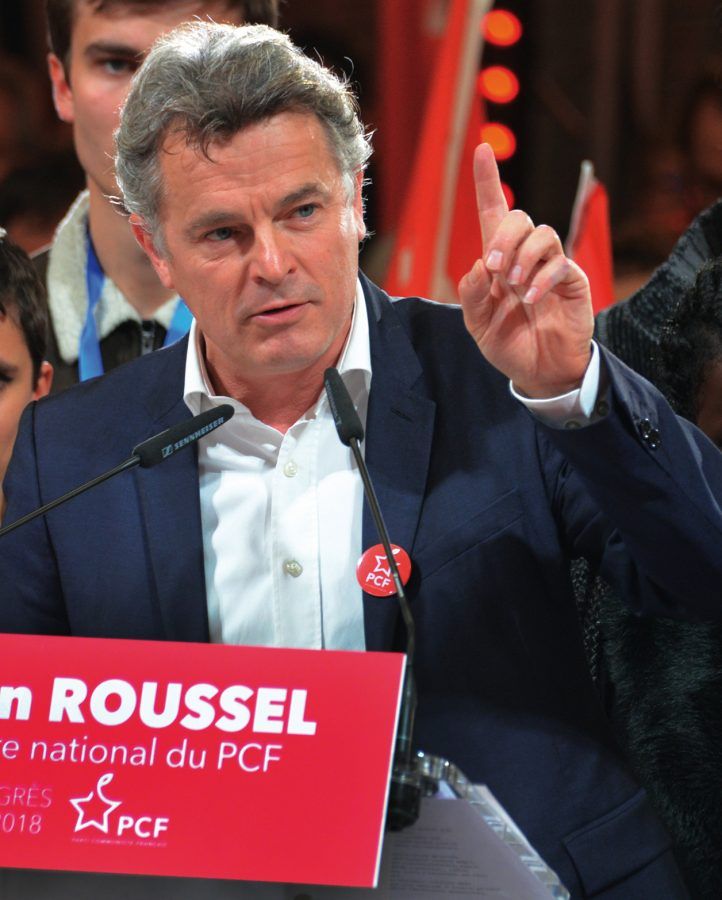
A PCF candidate, he was once a journalist himself. The issue of the media appears several times in his platform, in the sections on culture, youth, and civil liberties.
His observations: “We have allowed an unprecedented concentration of media ownership in the hands of giant financial conglomerates to take hold” (in his platform), “Media concentration, in my view, is closely linked to the lack of public support for all these media outlets that do not have the advertising revenue needed to survive and grow ” (Europe 1’s “Grand Oral” program).
“Media concentration, in my view, is largely linked to the lack of public support for all these media outlets that do not have enough advertising revenue to sustain themselves and grow.” @Fabien_Roussel in #LeGrandOral #2022PresidentialElections pic.twitter.com/zOxjPz82Dr
— Europe 1 🎧🌍📻 (@Europe1) March 28, 2022
- Key measures: increase funding for press support, create a national media council composed of elected officials, industry representatives, and users, propose a law to combat media concentration.
As for independent media, he assures that the creation of local and alternative media outlets will be encouraged, and he hopes to increase funding for the press, “to enable modernization and access, and public aid to daily newspapers with limited advertising revenue will be doubled.”
In newsrooms, he proposes recognizing a right of veto “for editorial staff regarding the appointment of editorial executives, “if the voices of staff members are not heard on boards of directors.” He also states in his platform “that the protection of journalists’ sources will be guaranteed.”
On the legislative front, he intends to propose a law to prevent media consolidation. Specifically, “democratized public radio and television companies will ensure that pluralism of ideas and approaches to news coverage is upheld, promote diversity in the arts and culture, and encourage cultural creation as well as education.” He seeks to establish public and social accountability across all sectors of information and communication. He wants to repeal the Comprehensive Security Law, deemed “liberticidal,” and strictly enforce the European directive on related rights.
Emmanuel Macron
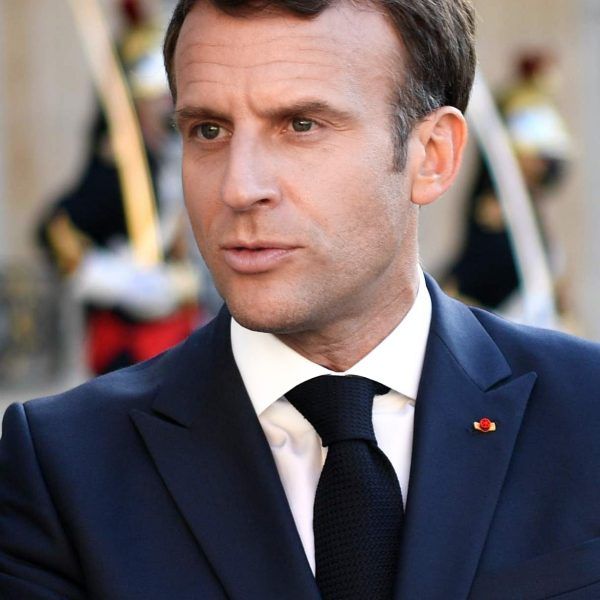
La République en Marche candidate. The issue of the media appears in his platform under the section “Achieving Full Employment and a Better Quality of Life Through Work” and under the section “Democracy.”
During his five-year term: legislation on related rights was enacted, the Senate’s commission of inquiry into media concentration concluded at the end of March, the government amended the conditions for awarding press subsidies, and financial aid for the media during the health crisis was proposed.
#2022PresidentialElection: Emmanuel Macron wants to eliminate the TV license fee. But then, how will public broadcasting be funded? 🤔
Response from @GabrielAttal on #CàVous pic.twitter.com/edvj3rWYhB
— C à vous (@cavousf5) March 7, 2022
- Key measures: abolish the audiovisual license fee; launch a broad public consultation on the right to information at the European level.
In the media sector, he plans to eliminate the audiovisual license fee and is counting on a five-year budget to offset it. He wants to ensure the long-term funding of free, independent news and documentary production, without providing further details. He wishes to convene a national forum on the right to information, “in order to combat all attempts at interference and provide journalists with the best possible framework to fulfill their essential mission, while involving citizens.”
At the institutional level, strengthen regulations targeting digital giants, support related rights aimed at compensating news publishers, and encourage the establishment of agreements.
Jean Lassalle
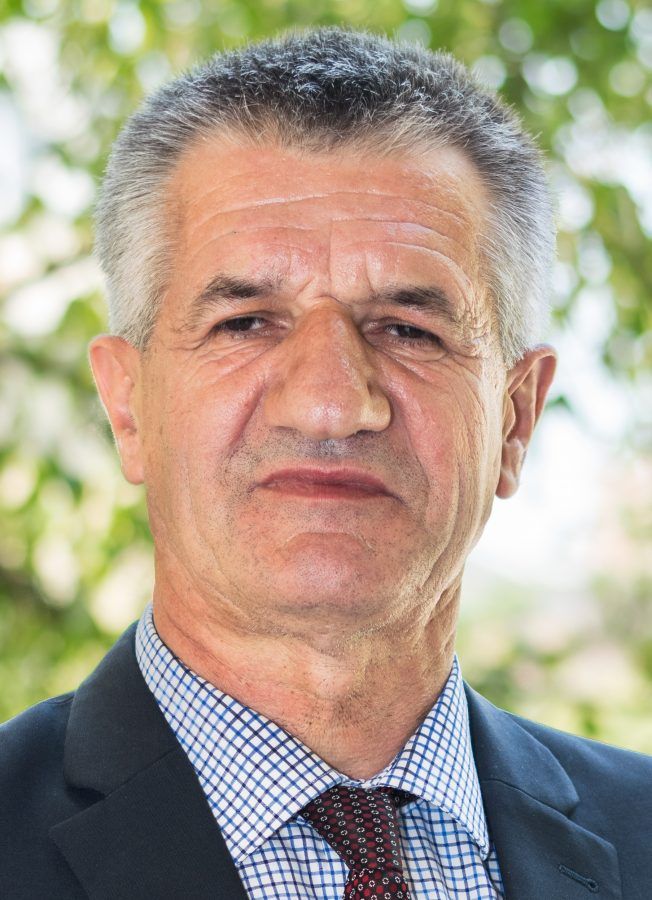
Candidate Résistons. The issue of the media is addressed in his platform under the section on culture and heritage.
In the media sector, he wants to make public funding for private media and culture contingent on the independence of their owners.
Marine Le Pen
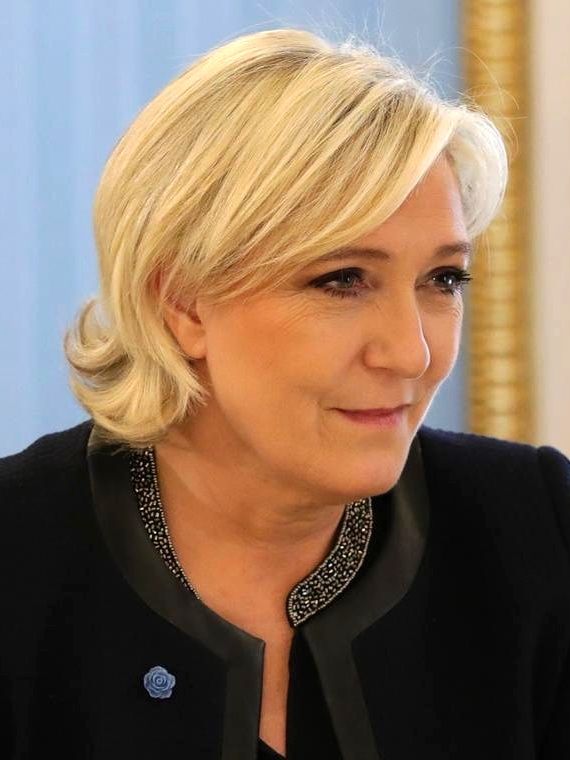
National Rally candidate. The issue of the media is addressed in her platform under the section titled “Growth.”
His observation: “A public audiovisual sector whose distinctiveness is, in any case, becoming increasingly difficult to discern, this privatization would help strengthen the private audiovisual sector, which faces competition from platforms with considerable resources.” (Le Figaro, September 8, 2021)
- Main measure: privatize public broadcasting and eliminate the license fee.
🗣️ “I want to privatize public audiovisual services (…) In a great democracy, we don’t need such a massive public service” @MLP_officiel, candidate for the #2022PresidentialElection, on #20h22surTwitch
▶ https://t.co/WUmR0kxvHf pic.twitter.com/ar9HdqKaVl
— franceinfo plus (@franceinfoplus) February 7, 2022
Éric Zemmour
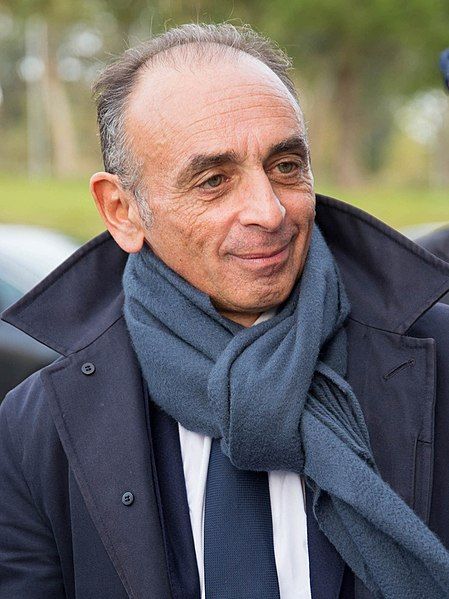
Reconquête candidate. The issue of the media is addressed in his platform under the sections titled “Taxes” and “French Culture.”
His observations: “The privatization of public broadcasting is necessary because it no longer fulfills its role. Public service broadcasting has become a propaganda machine serving a self-righteous ideology” (C8), “As for public broadcasting, instead of fulfilling its missions of providing information and programming, it has become the stronghold of an intolerant ideology that does not respect the plurality of opinions, which is an intolerable lack of respect toward the French people who fund it.” (Program).
- Key measures: privatize public broadcasting and eliminate the broadcasting fee.
In the media sector, he wants to eliminate the broadcasting fee “through the privatization of the main public broadcasting channels: France 2, France Inter, and France Info TV,” and intends to refocus public broadcasting on culture “(centered on France 5, France Culture, Arte, France Musique) and France’s voice on the international stage (centered on France 24, TV5 Monde, and Radio France International).” The candidate aims to promote our local regions and maintain local news coverage by transferring France 3 and France Bleu, along with their regional stations, to local governments at no cost.
The bill repeals the “Law Against the Manipulation of Information” of December 22, 2018, which “threatens civil liberties” and a return to the previous legal framework, which already provided for an “offense of spreading false news.”
Jean-Luc Mélenchon
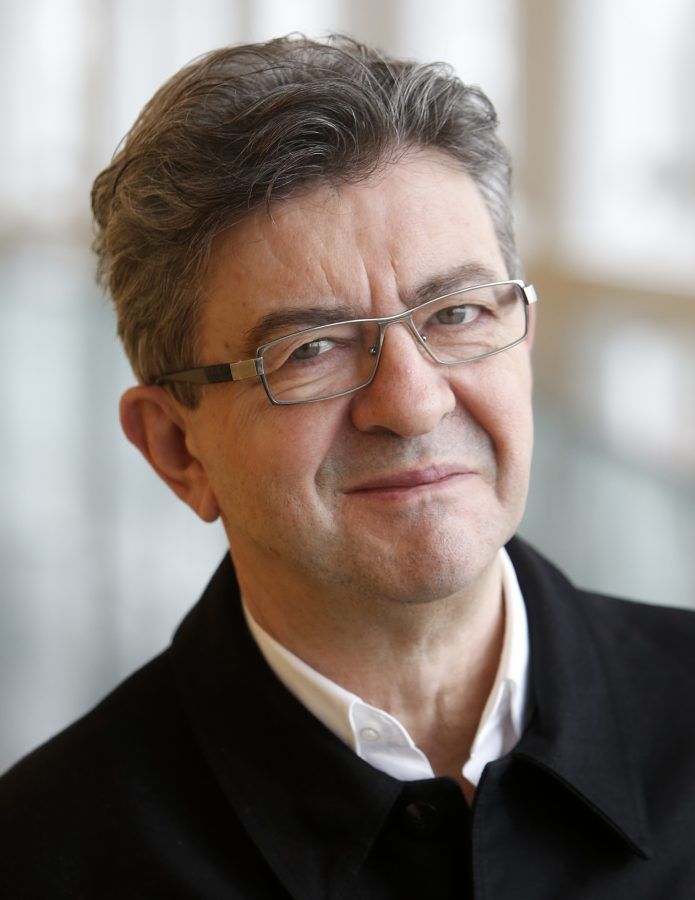
Candidate for La France Insoumise. The issue of the media appears several times in her platform in the sections titled “Democracy and Institutions ” and calls for “a citizen-led revolution in the media.”
His conclusion: “The media’s financial dependence undermines pluralism and freedom of expression.” (Media Program).
- Key measures: enact an anti-media-concentration law, establish a media ethics council, and have Parliament elect the presidents of France Télévisions and Radio France (currently appointed by the President of the Republic).
Together with @JLMelenchon, we want to put public broadcasting back at the heart of audiovisual production through stricter requirements.
📕 The booklet: https://t.co/iYjkw8nTur
➡️ Live stream: https://t.co/nTRH9l0NyP pic.twitter.com/A30GeVeLPI
— Mélenchon 2022 🐢 (@melenchon_2022) March 18, 2022
As for independent media, he wants to limit public subsidies for the press to news outlets only. He aims to support journalist cooperatives and allocate broadcast frequencies to local and community-based media organizations.
In newsrooms, he intends to ensure the protection of sources and whistleblowers without requiring them to go through their employer first (the candidate wishes to grant asylum to Julian Assange) and grant newsrooms the right to approve the entry of a new shareholder.
In the bill, the candidate states that he wants to protect the sector from financial and political interests by strengthening the legal status of newsrooms. He also wishes to include a code of ethics in the collective bargaining agreement and enact an anti-concentration law for the media: “to prevent groups that depend on public funding from owning media outlets, and to expand anti-concentration rules regardless of the medium.”
Within the government, he wants to create a National Media Council “that will be composed of representatives of the executive and legislative branches, representatives of media professionals, and representatives of media users tasked with ensuring compliance with the anti-concentration law.” Elect the presidents of France Télévisions and Radio France to Parliament “in order to avoid political appointments and the subjugation of public broadcasters to the interests of the executive branch.”
Anne Hidalgo
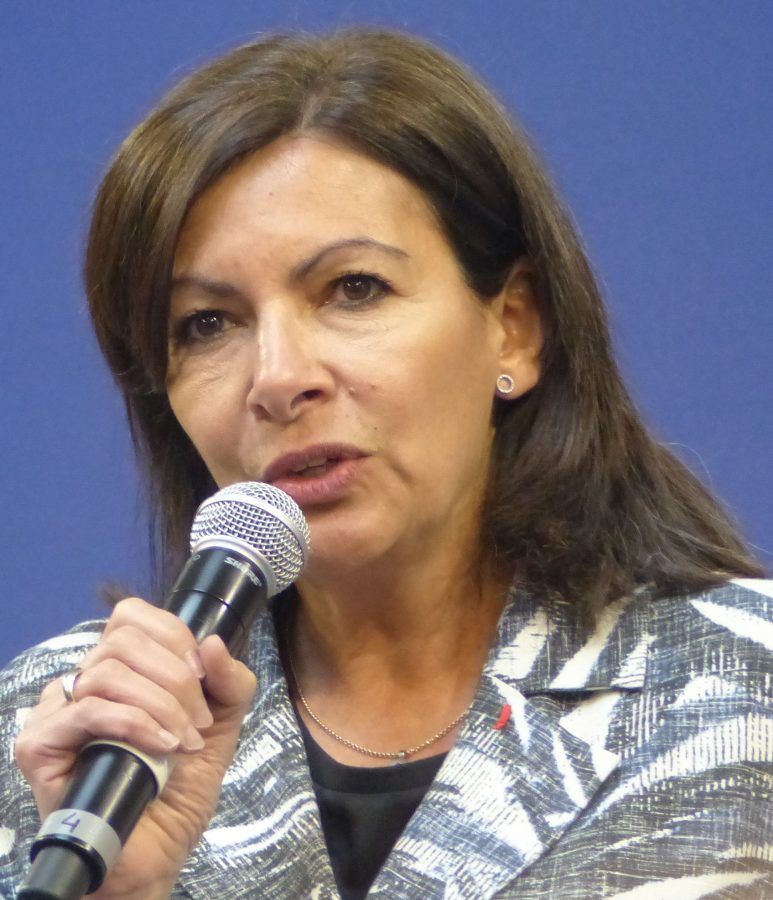
Socialist Party candidate. The issue of the media is addressed in a specific section of her platform. Signatory to the Democratic Pact “Let Democracy Win,” which includes a section on the media.
His observation: “The concentration of media ownership and the distribution of creative works—which is currently in the hands of a small number of major players—will be limited by law in the future.” (Program).
- Key measures: legally limit media concentration, reform the 1986 Audiovisual Act, and strengthen public service broadcasting through the license fee.
🔴🗣️ “I want there to be a strong public service that can also provide the pluralism we need—and that is still somewhat lacking in our country,” says @Anne_Hidalgo, who will maintain the TV license fee, which she promises is “fair and universal” | @EliMartichoux. pic.twitter.com/hdu5IqM4eq
— LCI (@LCI) April 1, 2022
For independent media outlets, she wants to expand access to the press subsidy program to include online media.
In newsrooms, the candidate intends to include representatives of salaried staff in the governing bodies.
In the media sector, she does not want to base the license fee solely on television, but rather to maintain it and make it universal and fairer. “Broadening the tax base will, in turn, make it fairer through weighting factors and social exemptions.” Like Yannick Jadot, she proposes making aid to the press contingent on compliance with journalistic codes of ethics.
Through this legislation, she aims to combat media concentration by granting legal status to newsrooms and updating the 1986 law. She also wants to establish a criminal offense of influence peddling in the press “in order to limit pressure on newsrooms.”
Within the relevant bodies, strengthen ARCOM’s powers by urging thethe Competition Authority to take action in response to the growing risks of media concentration and to consider creating an independent media regulatory authority (by merging ARCOM, the ethics committees, and the Council for Journalistic Ethics and Mediation).
Yannick Jadot
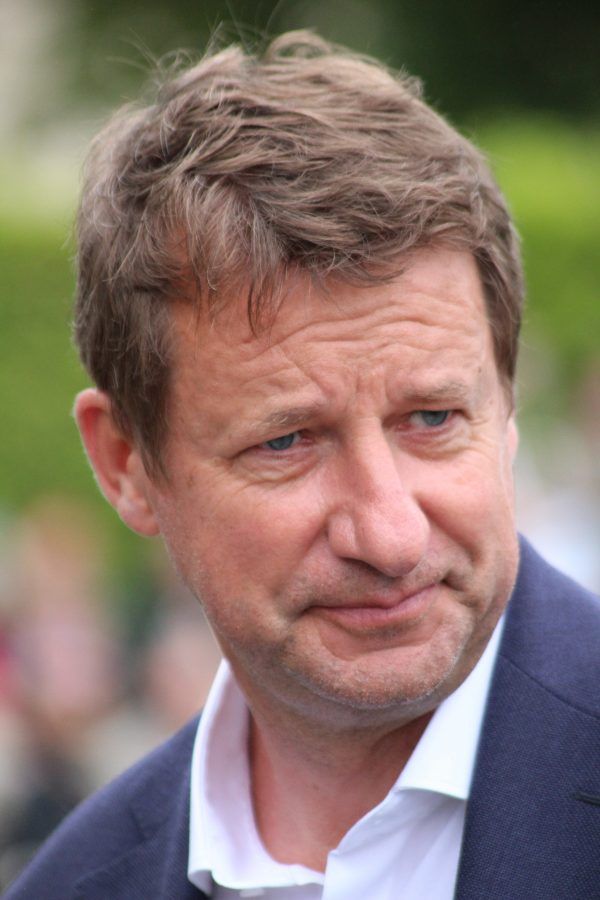
Europe Écologie–Les Verts candidate. He addressed the press on January 7. The issue of the media is addressed in his platform in the sections on democracy and Europe. He is a signatory to the Democratic Pact “Let Democracy Win,” which includes a section on the media.
His conclusion: “Concentration threatens the right to free and pluralistic information, undermines the independence of journalism, and putsnews in the service of industrial and political interests” (statement following the release of the documentary *Mediacrash*).
- Key measures: making press subsidies conditional, strengthening anti-concentration rules, promoting citizen investment in the media, and reforming Arcom.
🔴 “We must ensure that there is no media concentration in France. Which candidate wants to privatize public service broadcasting? Marine Le Pen.” @yjadot #GreenPrimary #AgainstMediapart #FreeAirhttps://t.co/7ILj37YUMF pic.twitter.com/jJOlhgtf0W
— Mediapart (@Mediapart) September 23, 2021
As for independent media, he wants to foster their growth “by mobilizing the BPI to support the press and media, and by facilitatingsustainable citizen investment in the media and philanthropy by raising the tax deduction cap for donations from individuals to media outlets with fewer than 50 employees.” It intends to extend access to press subsidies to online media and develop new legal structures for media companies in order to “ensure stable resources and greater independence.”
In newsrooms, he wants to give journalists binding authority over the appointment of the editor-in-chief and to disclose theidentities of the individuals who control the media “through the revision of the 2016 Bloche Act.”
In the media sector, he intends to include online media in the media concentration thresholds and to rethink the criteria for granting media status.
With regard to press subsidies, the candidate intends to make them contingent on compliance with new criteria (shared governance in oversight bodies, a minimum threshold for the number of journalists on the editorial staff, compliance with labor laws and collective bargaining agreements, equal pay for women and men, and the establishment of reporting mechanisms for gender-based and sexual violence) and to adherence to journalistic codes of ethics (limiting or even cutting off press subsidies for media outlets that do not comply with journalistic codes of ethics).
Conversely, investigative media outlets that invest significant resources in producing high-quality news coverage will be eligible for grants.
In the relevant bodies, he plans to ensure fair funding of the media by GAFAM: revising legislation to enforce neighboring rights and creating an independent media regulatory authority “by merging ARCOM, ethics committees, the Council for Journalistic Ethics and Mediation.”
In the bill, he seeks to re-establish the right to broadcast images, in particular “to guarantee the right to information regarding police violence,” and repeal Article 36 of the 2021 “separatism” law. Create a criminal offense of influence peddling in the press: to limit pressure on newsrooms. “The law should impose criminal penalties for any abusive interference by media owners and executives intended to further their own interests or those of a third party.”
Valérie Pécresse
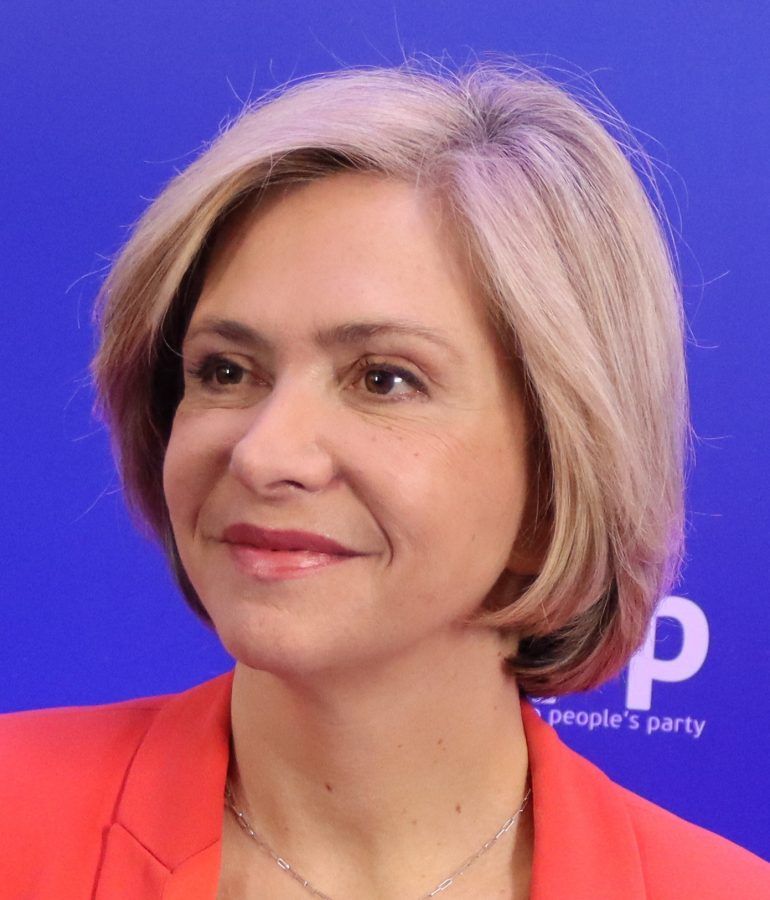
Republican candidate. The issue of the media is addressed in her platform under the section titled “Taxes.”
His observation: “In this age of fake news, we need audiovisual content where we can be sure the information is reliable.” (FranceInfo, April 6, 2022)
- Key measure: Eliminate the TV license fee
🗣 What does the future hold for public broadcasting? ➡️ “We need public broadcasting. I will introduce a programming bill to guarantee funding,” replies Valérie Pécresse. “As is the case everywhere, there are savings to be made.” pic.twitter.com/mgSFvXjhuM
— franceinfo (@franceinfo) April 6, 2022
In the media sector, she wants to replace the audiovisual license fee—deemed “obsolete”—with budgetary funding that will be preceded each year by an ARCOM report on the resources available to public broadcasting .”
It aims to secure funding for audiovisual production in France through a multi-year law and to refocus thepublic broadcasting on its public service missions.
Philippe Poutou
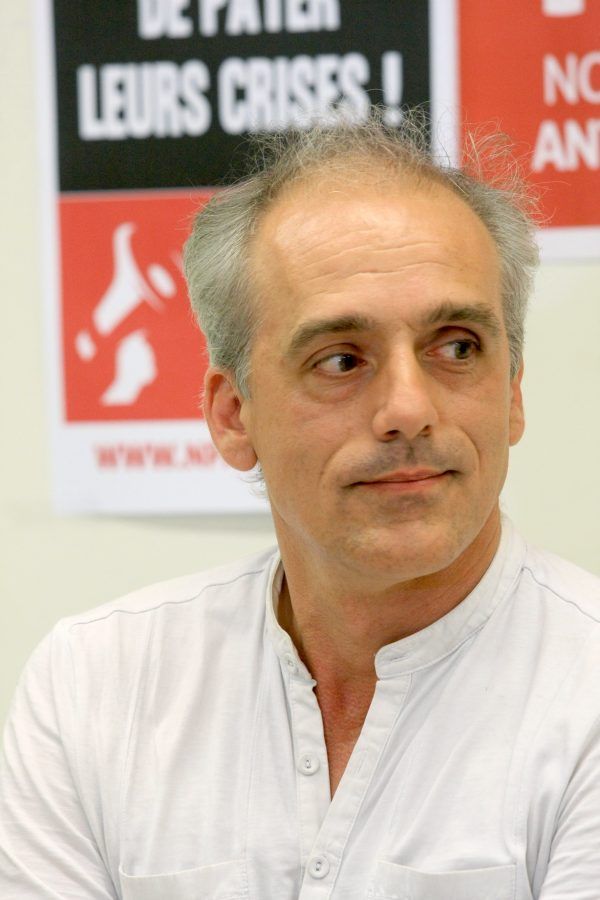
NPA candidate. The issue of the media is addressed in a dedicated section of his platform, presented in list form.
His observation: “Far from serving as a check on power, the mass media are in the hands of large capitalist conglomerates. The takeover of Canal Plus, CNews, Europe 1… is revealing in terms of what it says about the collusion between the media and capitalism. We must fight this and create the conditions for pluralism and high-quality news.” (Platform)
- Key measures: overhaul of the press subsidy system, dissolution of Arcom (merger of the CSA and Hadopi), enactment of anti-concentration legislation.
For independent media, he proposes a plan to support community-based and nonprofit media and the “enactment of anti-concentration legislation ,” without providing further details. He calls for an overhaul of the press subsidy system, “which favors the largest outlets.”
In newsrooms, he wants to establish a right for newsrooms and journalists’ associations to exercise control over the economic and editorial decisions of their media outlets, including the right of veto.
Under the law, “a person, a group of people, or a company should not be allowed to own more than one newspaper, television station, or radio station ,” and he wants to prohibit media ownership by companies that have contracts with the government.
At the regulatory level, it proposes the dismantling of Arcom (a merger between Hadopi and the CSA) and the creation of a democratic body bringing together journalists, media employees, and users.
Nicolas Dupont-Aignan
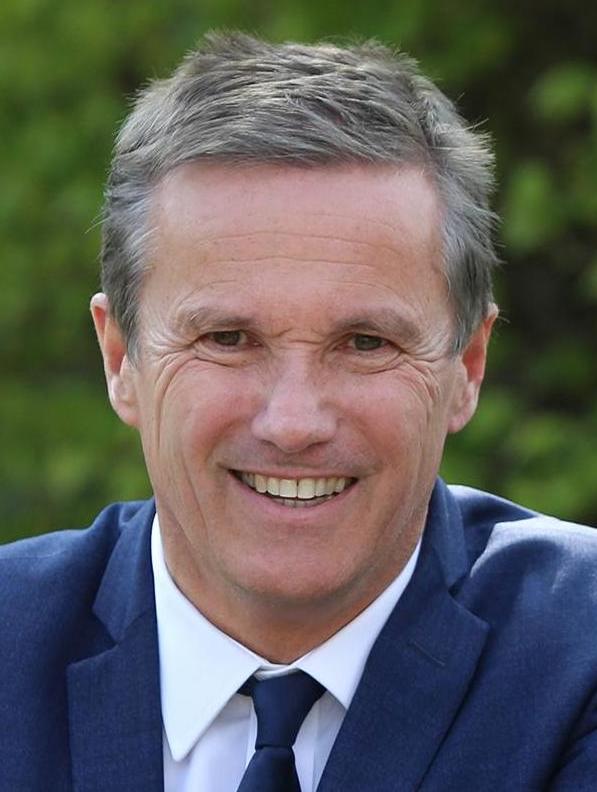
"Debout la France" candidate. The issue of the media is addressed in his platform under the "culture" and "digital" sections.
His observation: “The government has gradually and imperceptibly stopped imposing even the slightest restriction on the public audiovisual sector, both in terms of quality and in terms of the commitment to supporting French and Francophone creative works.” (Program).
- Key measure: to use public audiovisual services to promote culture.
In the media sector, he wants to use public audiovisual services to promote culture “through ambitious programs that leverage synergies with French cultural institutions,” create a single public platform for distributing cultural content “bringing together content from public broadcasting, the National Library of France (BNF), major museums, etc.” It will ensure the use of French in the media “by requiring public media and advertising regulatory bodies to strictly comply with—and enforce with real penalties— of the Constitution and relevant laws and regulations.”
Learn More
- The organization Un bout des médias has released a tool that analyzes and scrutinizes the candidates’ platforms regarding media independence.
- Proposals from Spiil, the Union of Independent Online News Outlets, in connection with the presidential election.
— Transparency: Baptiste Thevelein, co-founder of Médianes, answered questions from Yanick Jadot’s campaign team as part of the preparation of the candidate’s proposals. Baptiste Thevelein did not participate in the writing of this article.


