Because it allows you to report an error in an article, resolve a subscription issue, or submit story ideas, the Contact section must be accessible and readable to everyone. To help you avoid getting lost in a maze of email addresses, we're sharing our best tips.
Arrange the introduction
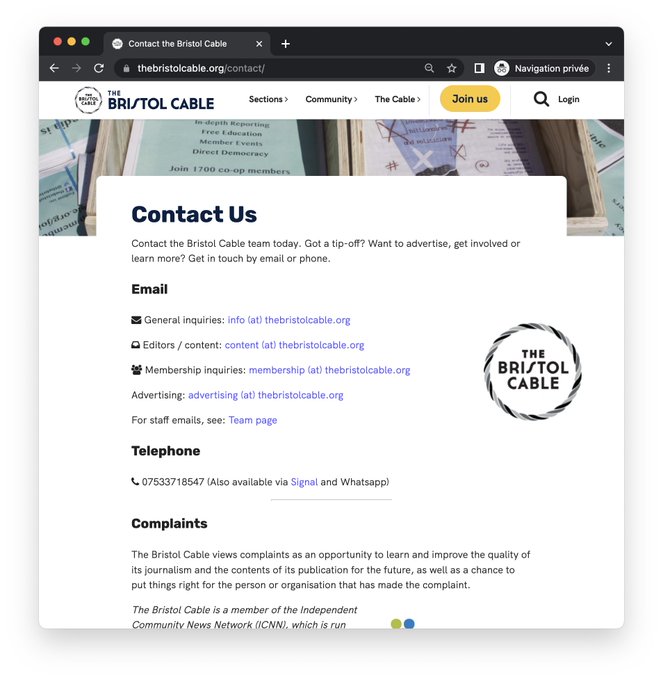
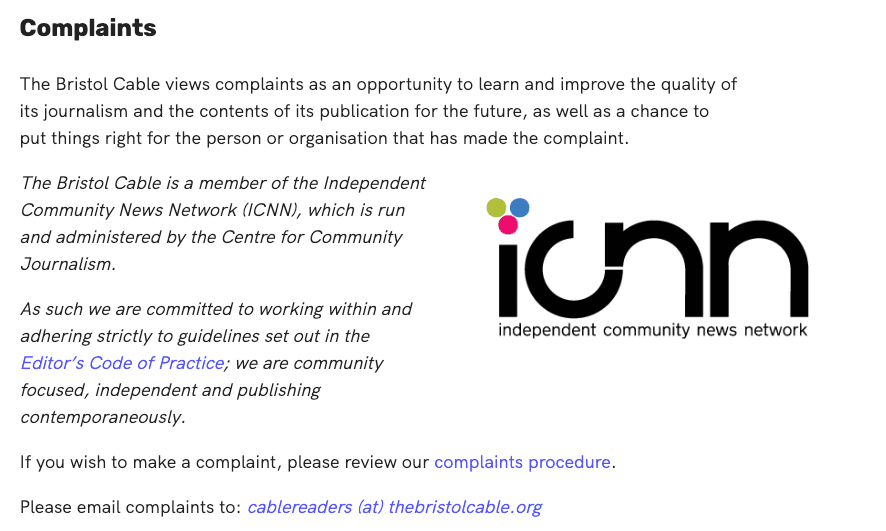
Bristol Cable is a kind of Marie Kondo of media. This independent local newspaper directs every contact need to the appropriate channel, to make sure you reach the right place with your question. We love their "Complaints" section, which even reflects the newspaper's vision: "We consider complaints as an opportunity to learn and improve the quality of our journalism and the content of our publication for the future."
Anticipate needs
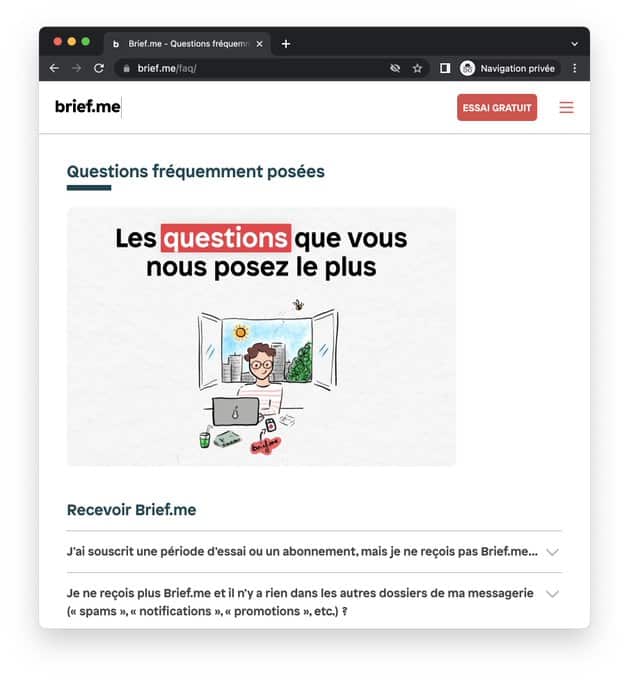
Got lots of answers to share? Why not guess the questions instead! And to make sure you're not wasting your time, head straight to the FAQ. The one for the newsletter from Brief.me's news is incredibly thorough on subscription questions. On the editorial side, if you're tired of receiving poor pitch proposals, take a look at the guide "How to Get Your Project Rejected" created by Silvain Gire at Arte Radio. Fair warning, it's sharp.
Protecting your sources
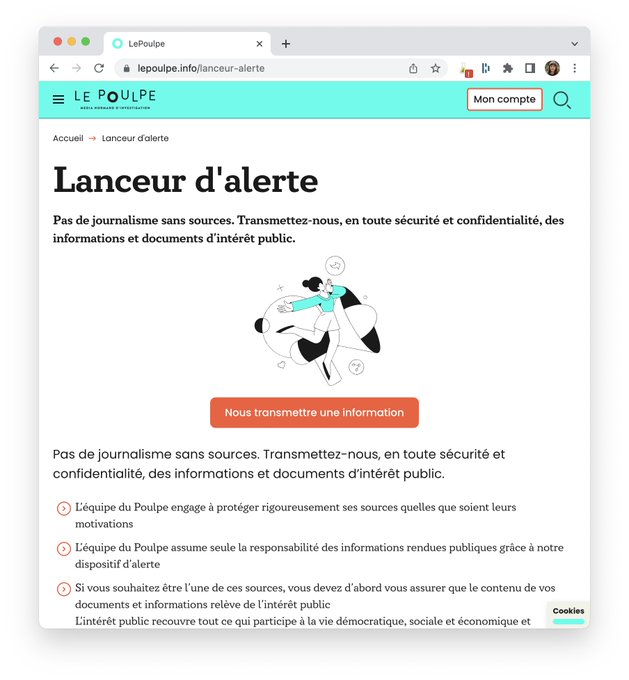
Avoid sending sensitive information via plain emails. To protect the anonymity of its whistleblowers, the Normandy investigative outlet Le Poulpe has implemented an encrypted communication system in its contact form. By the way, are you familiar with SecureDrop? This open-source application enables secure document sharing while masking the sender's IP address. Mediapart and Disclose have already adopted it.
This article was first published in our bimonthly newsletter, dedicated to media project leaders. To receive strategic insights, practical cases, and new media projects directly in your inbox, sign up for free to our newsletter.