To each his own role, to each his own profession. Fully involving the public in the editorial process has long been viewed as incongruous by journalists. Today, readers are responding to the lack of transparency in newsrooms with deep disaffection, evident both on social media and at protests. This mistrust is sometimes so intense that it almost makes us feel relieved that the newsroom remains in our hands. What if we tried to open the doors—what would happen?
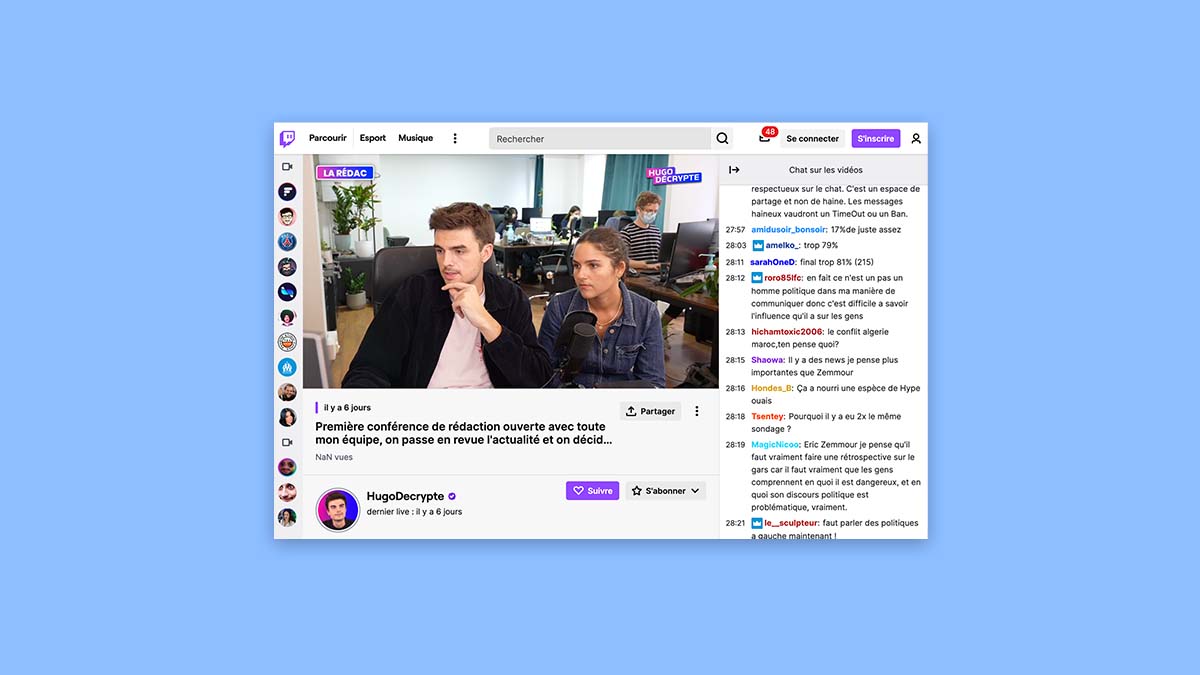
This is a first for a media outlet in France: HugoDécrypte launched a weekly live editorial meeting on Twitch at the start of the school year. The outlet, founded six years ago by Hugo Travers, 24, has expanded to include about ten journalists and now offers a weekly opportunity to review its latest content and decide, together with its audience, on upcoming videos. This is a great opportunity to interact directly with the young and talented team, which has several hundred thousand subscribers on YouTube, Instagram, and Twitter. Congratulations!

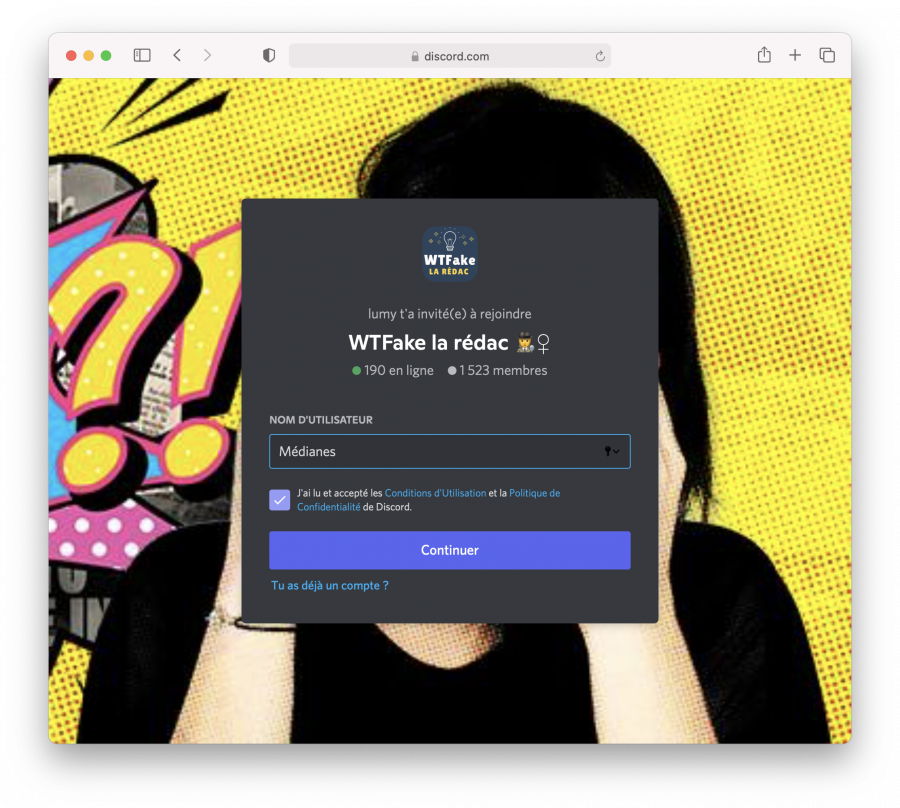
Exchange ideas to understand, but also provide the tools to get involved. A year ago, journalist Aude Favre, creator of the investigative YouTube channel Aude WTFake (over 86,000 subscribers), launched France’s first collaborative anti-fake news newsroom. As a result, 1,000 people gathered on a Discord server to take part in the investigations and learn how to distinguish fact from fiction. This participatory approach has come a long way: thanks to a study conducted in collaboration with 50 citizens, Aude Favre and journalist Sylvain Louvet were able to expose the opaque funding networks behind conspiracy theories in a documentary produced for France 2.
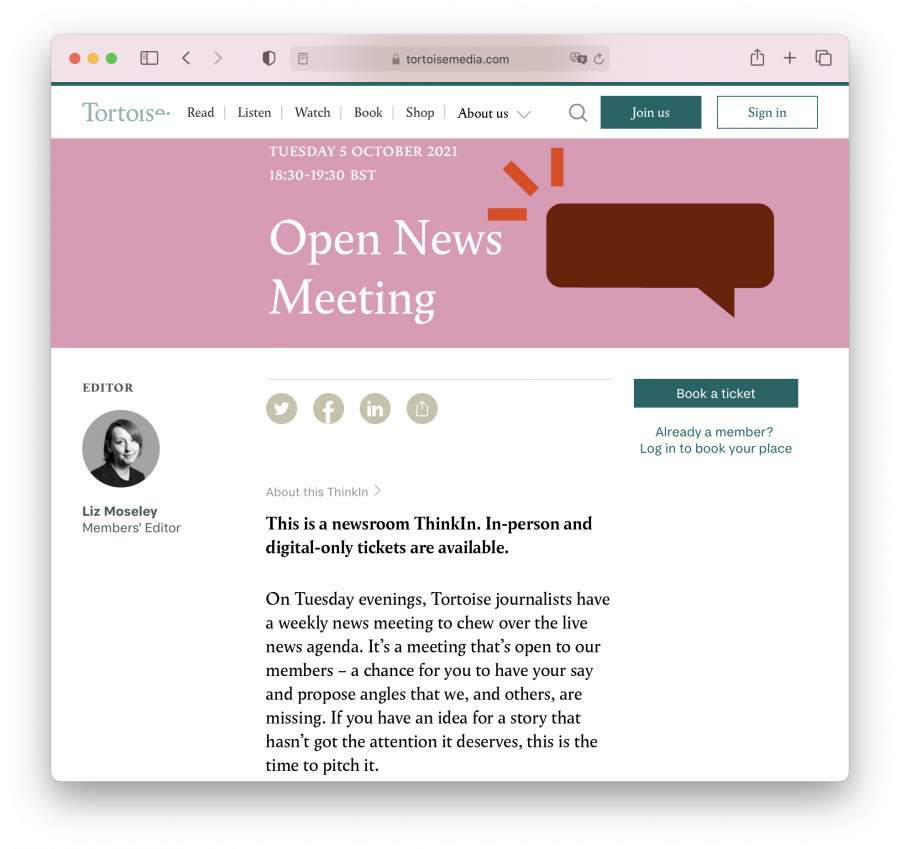
Making room for this approach in the newsroom—and, moreover, making it its business model—is the choice made by the British media outlet *Tortoise*. The outlet, which advocates for slower, more conscientious journalism, adopted a membership-based business model from its launch in 2018. Its hallmark? ThinkIn events—“live, unscripted conversations held in the newsroom where you can participate and share your thoughts, either in person or online.” On Tuesday evenings, the Tortoise newsroom opens its doors to allow its members to exchange ideas and suggest story ideas directly to the journalists. The result, three years after its launch? Tortoise has 130,000 members, including paying members and those on trial. It just goes to show that it pays off.